


Like vineyards, fabric mills make many styles but excel at a few. We’ll steer you to their best.
Cut Length Fabrics
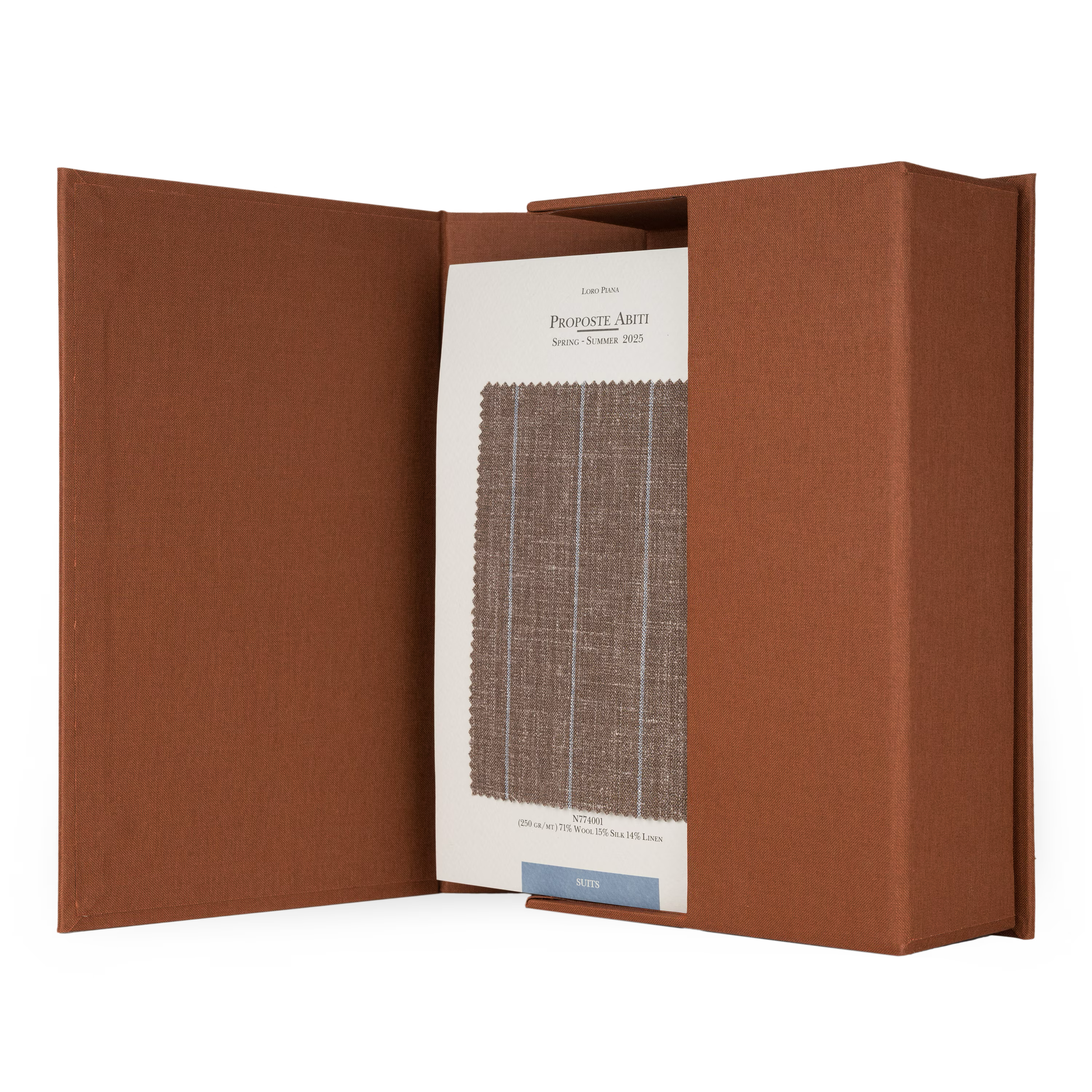
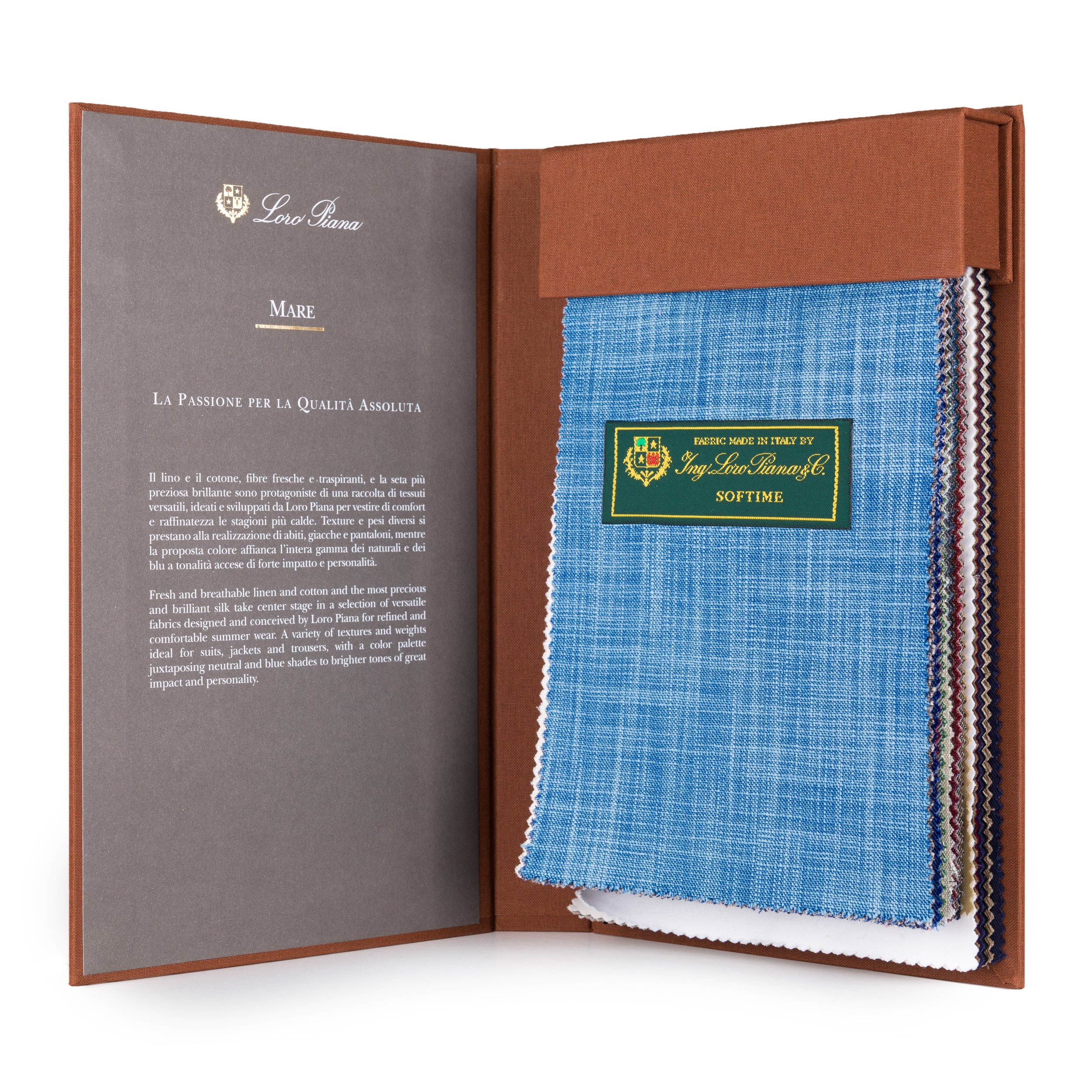
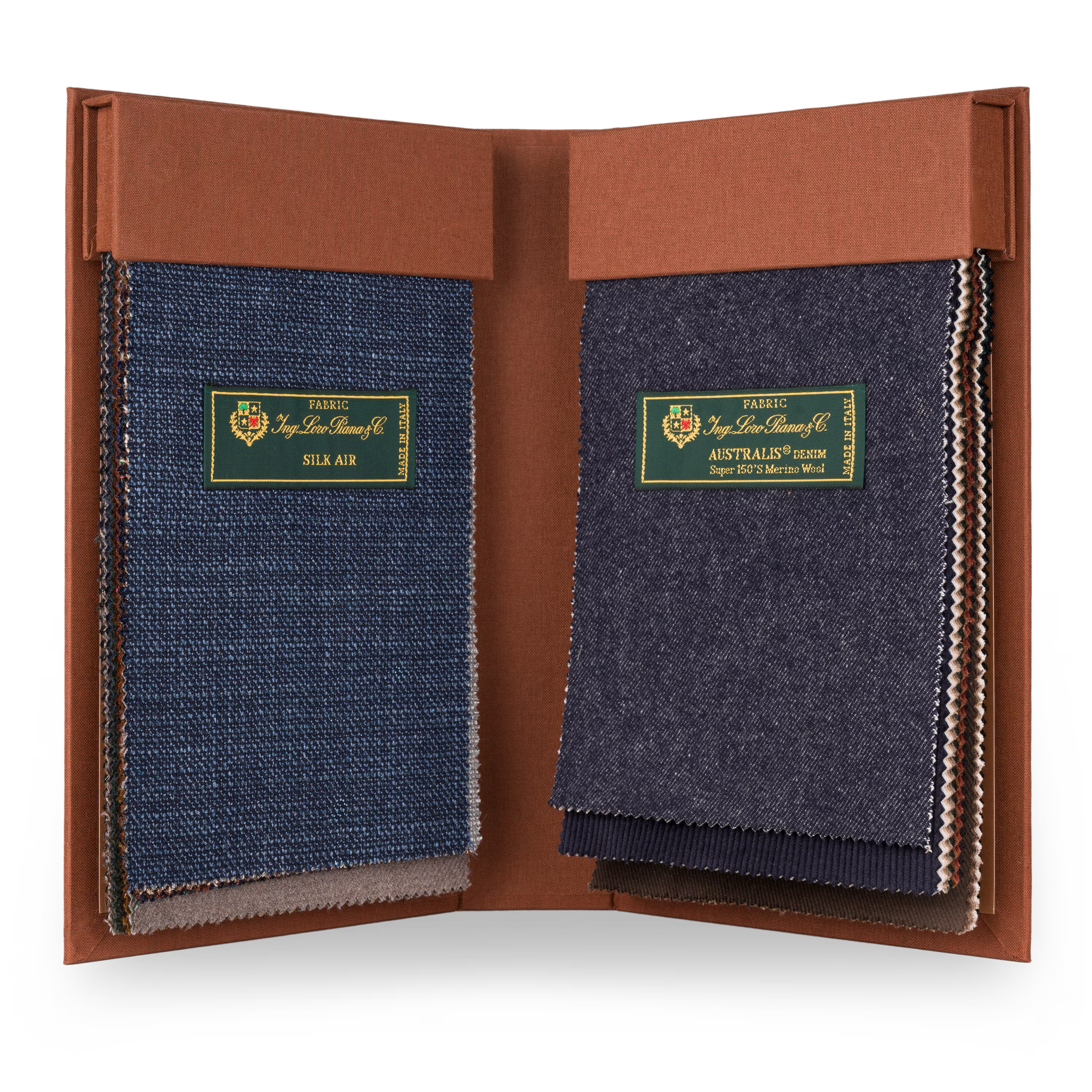
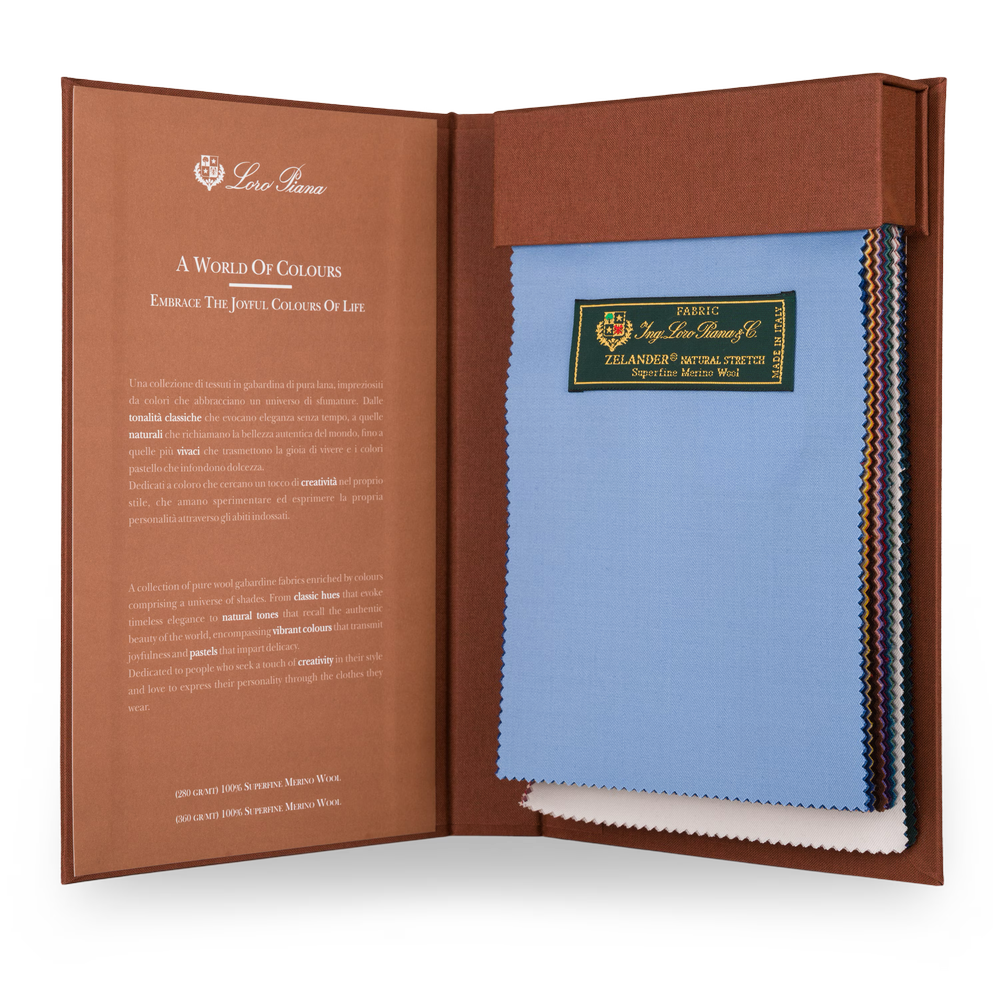
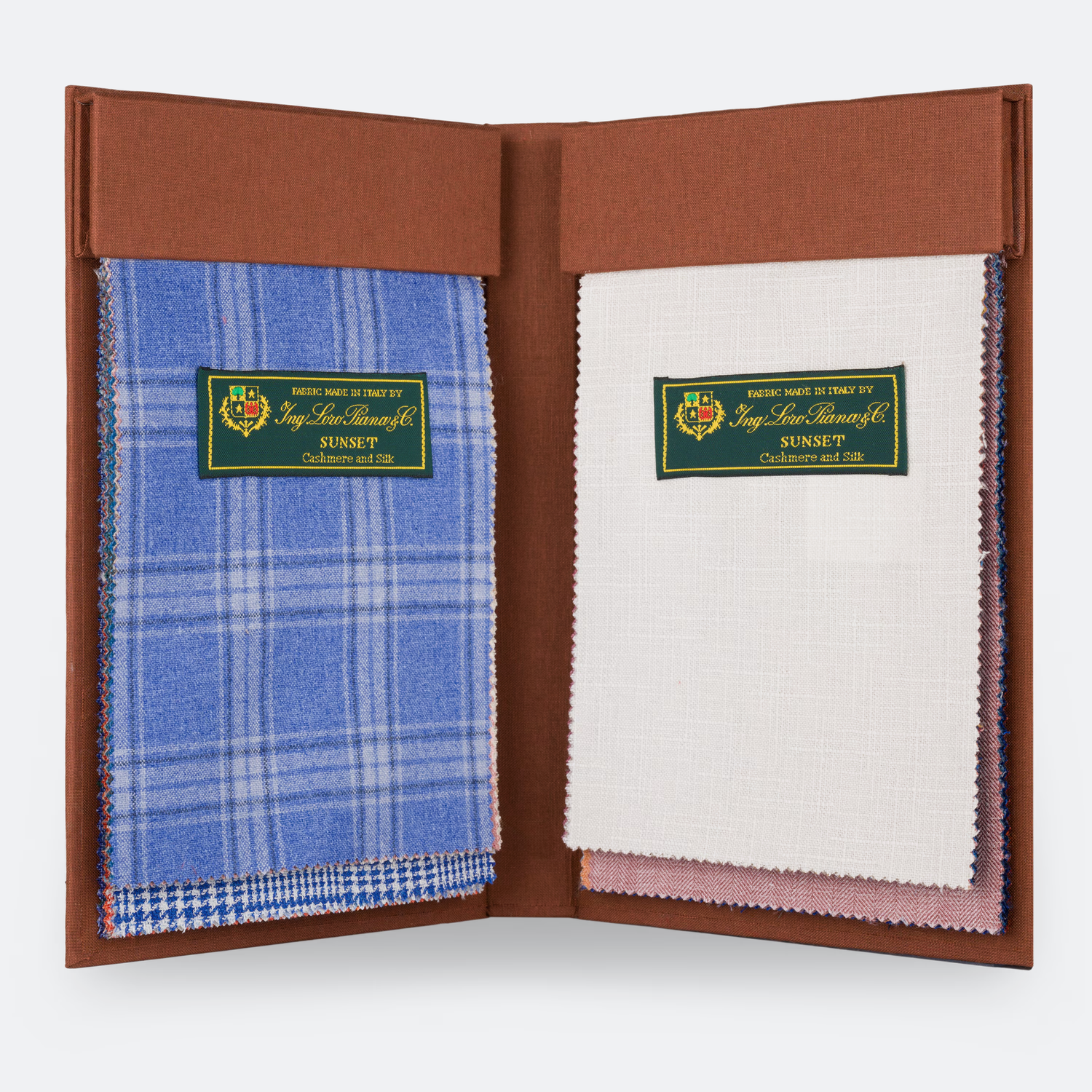
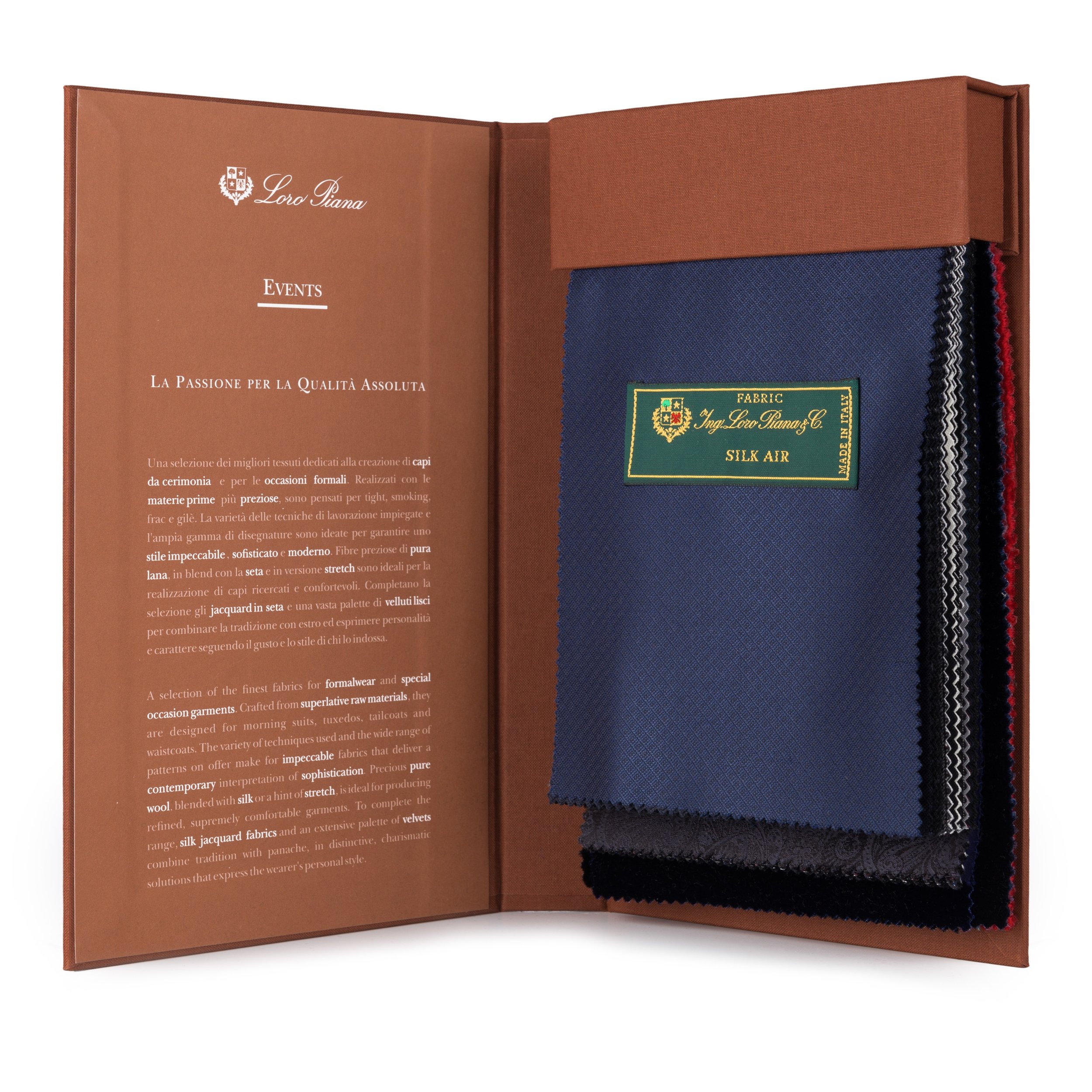
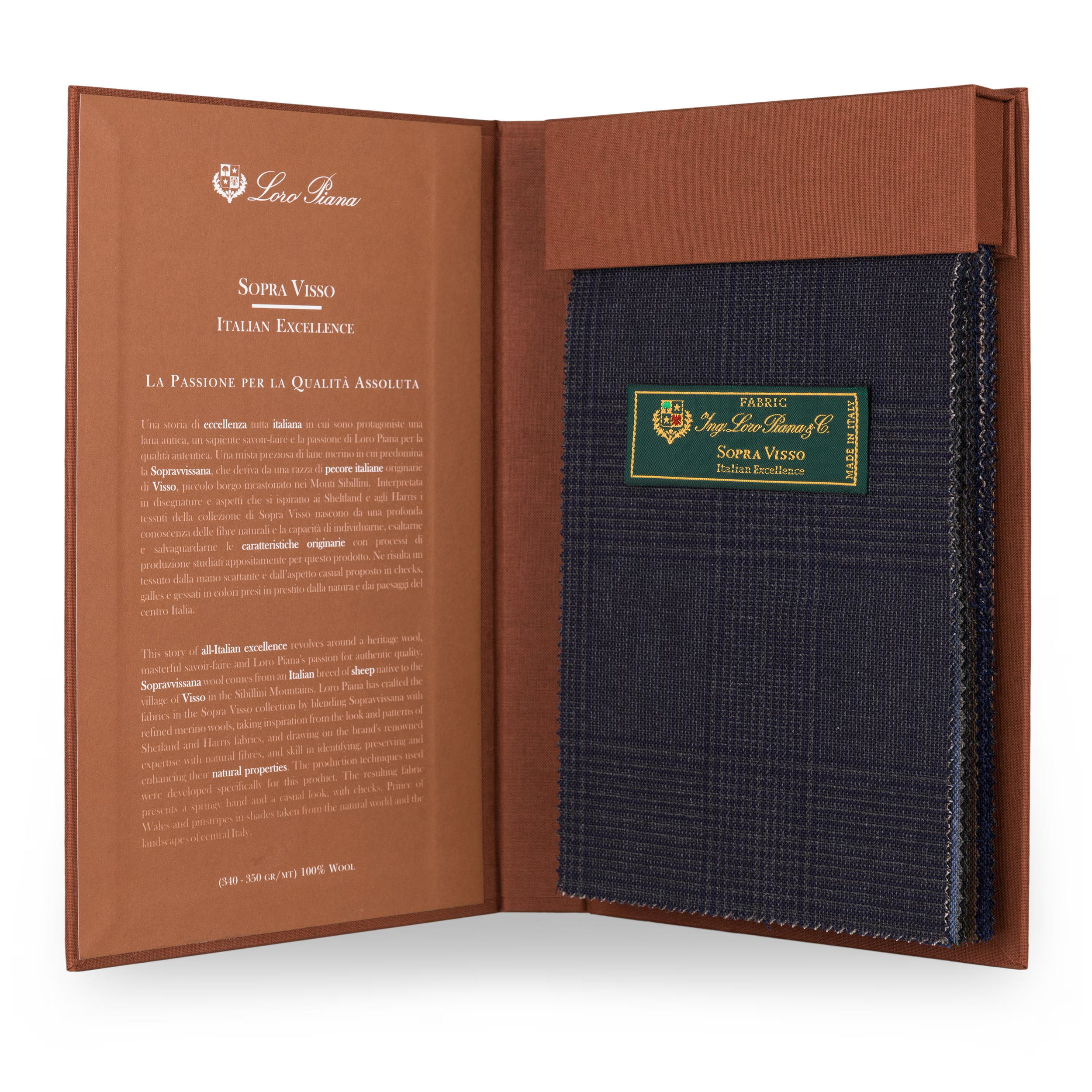
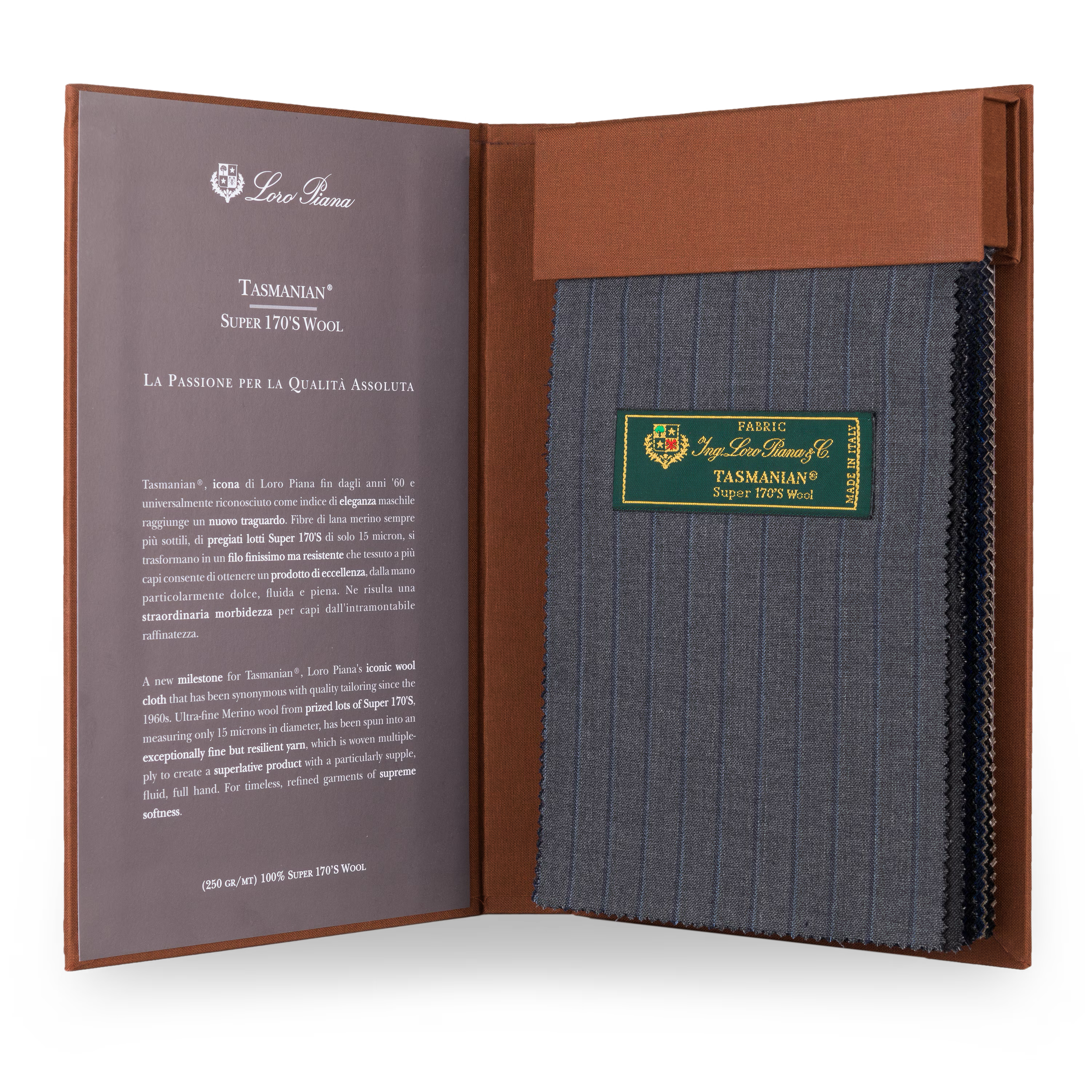
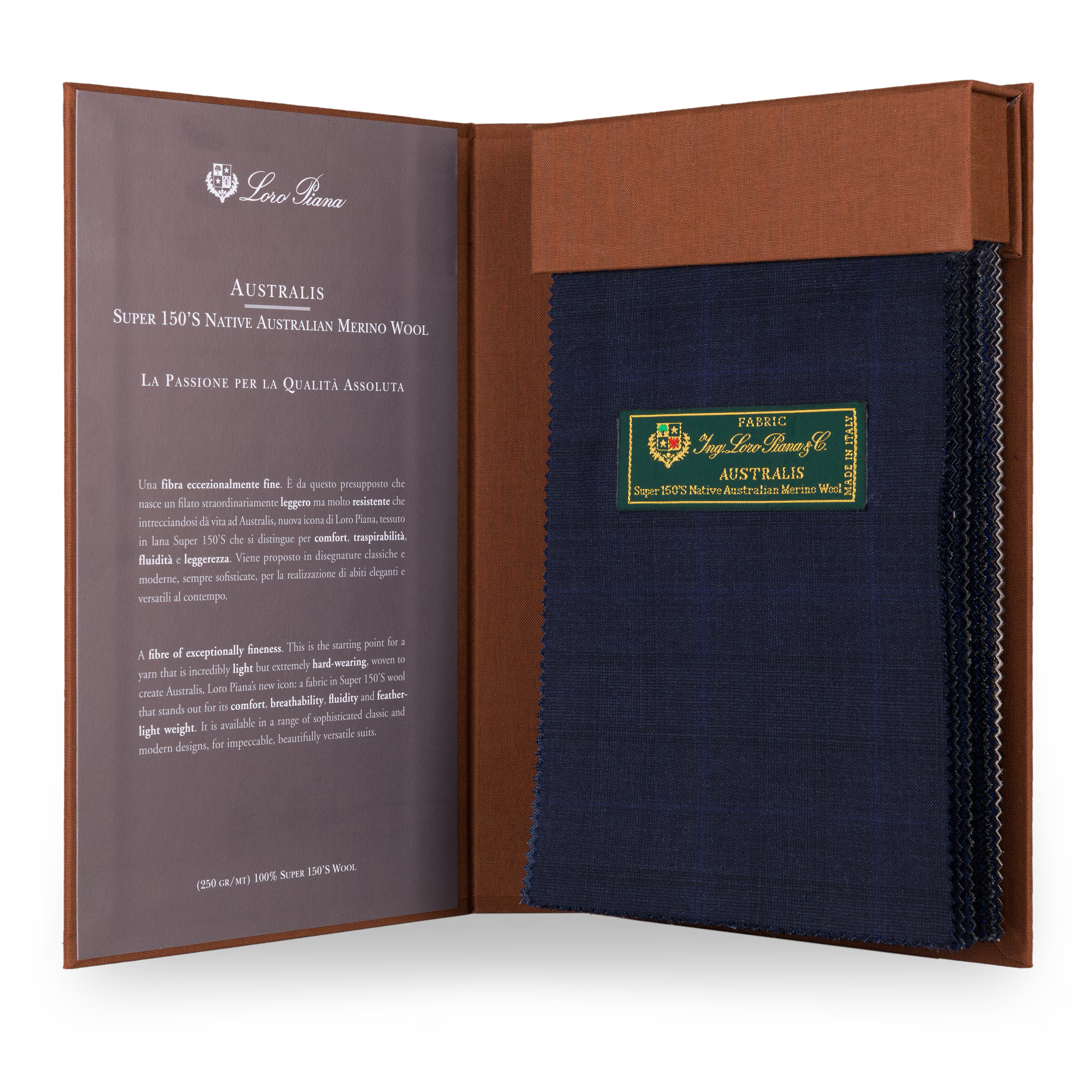
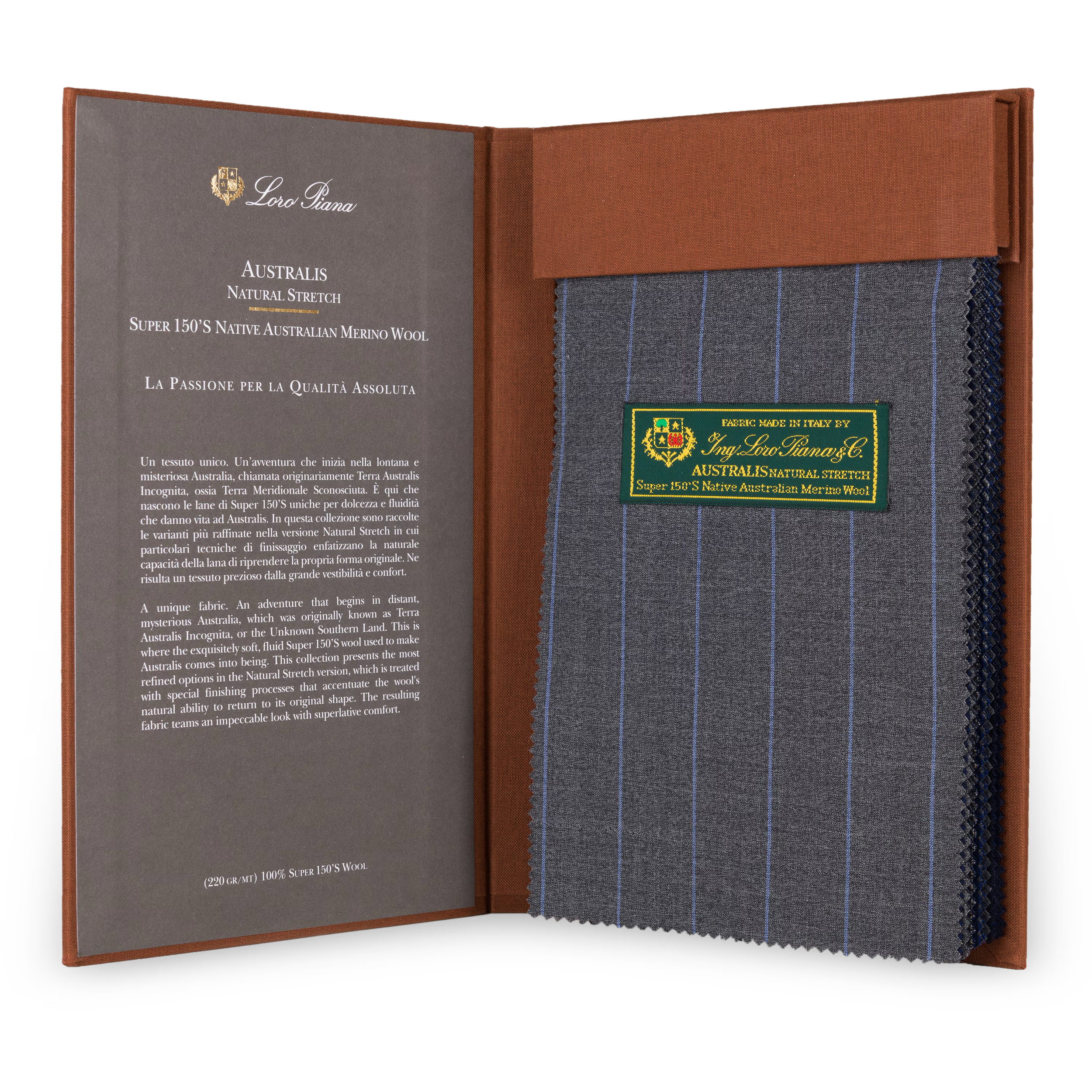
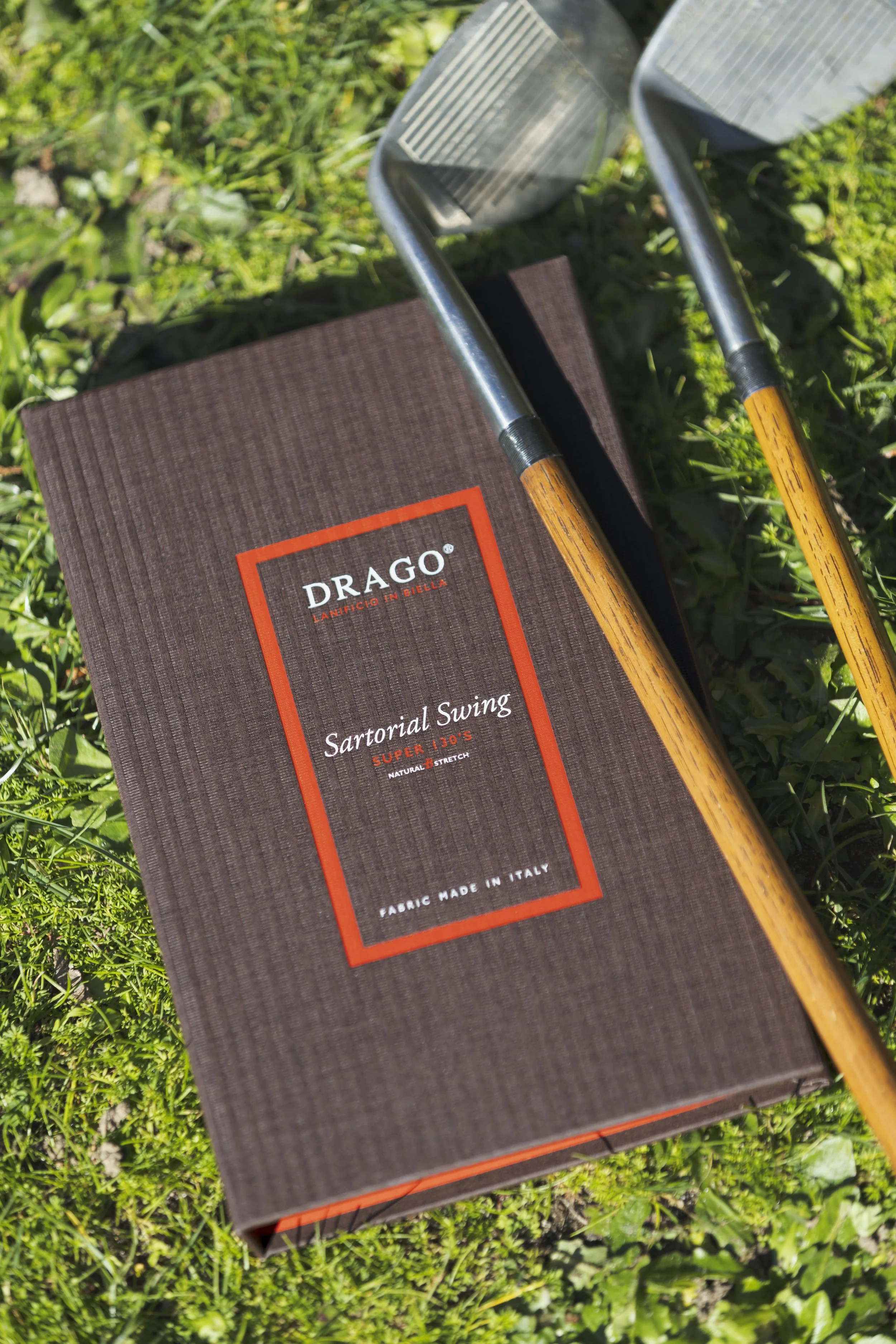
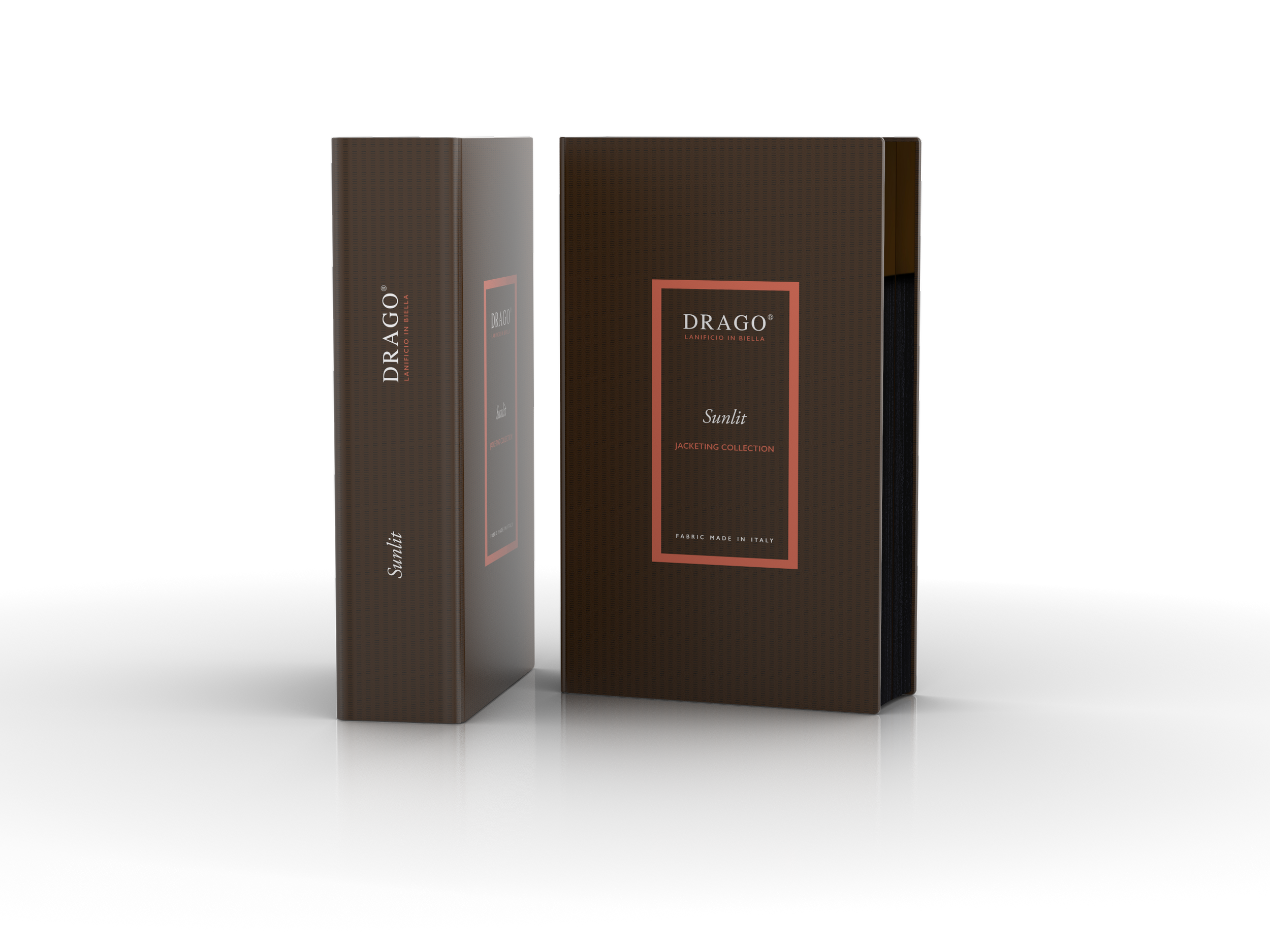
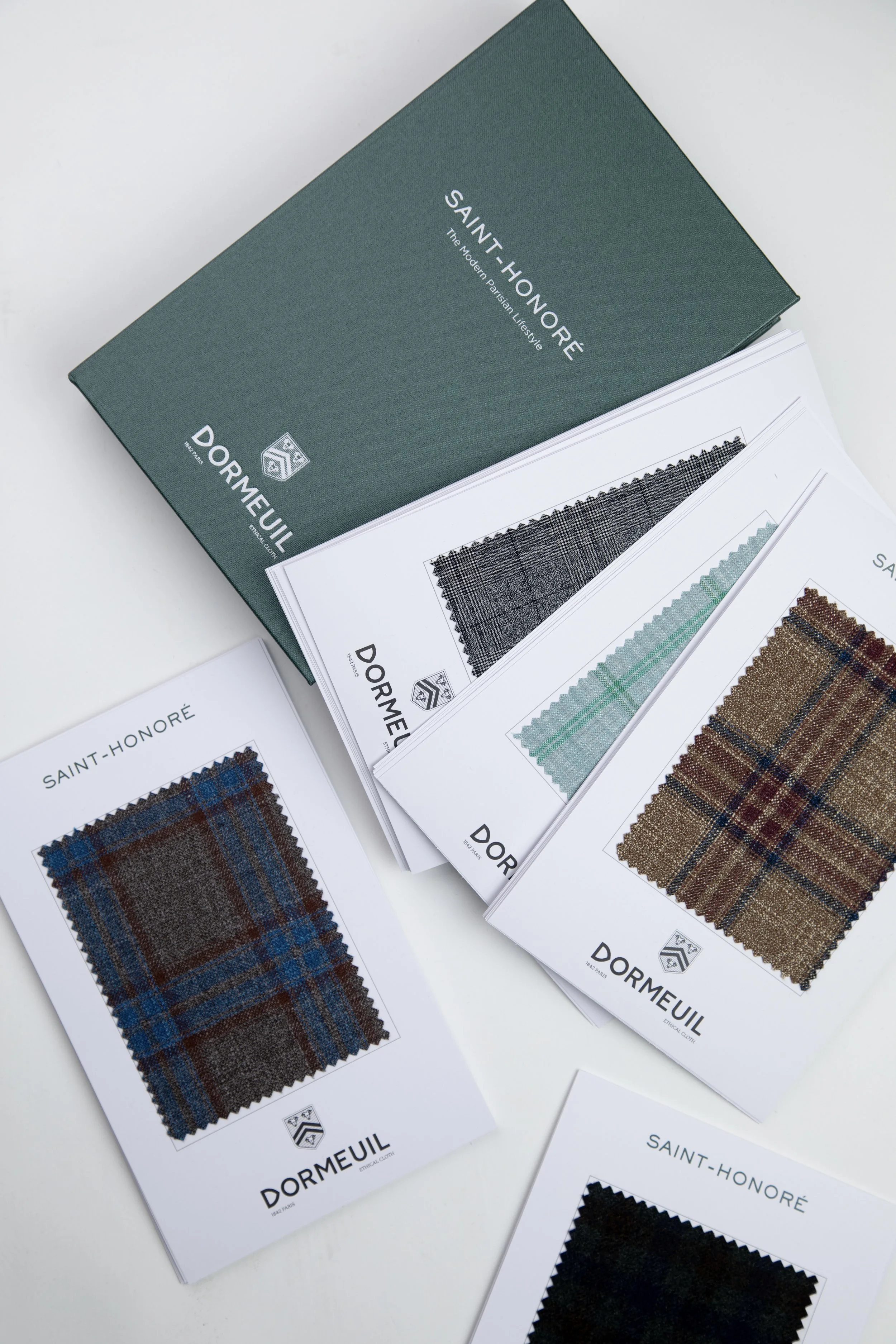
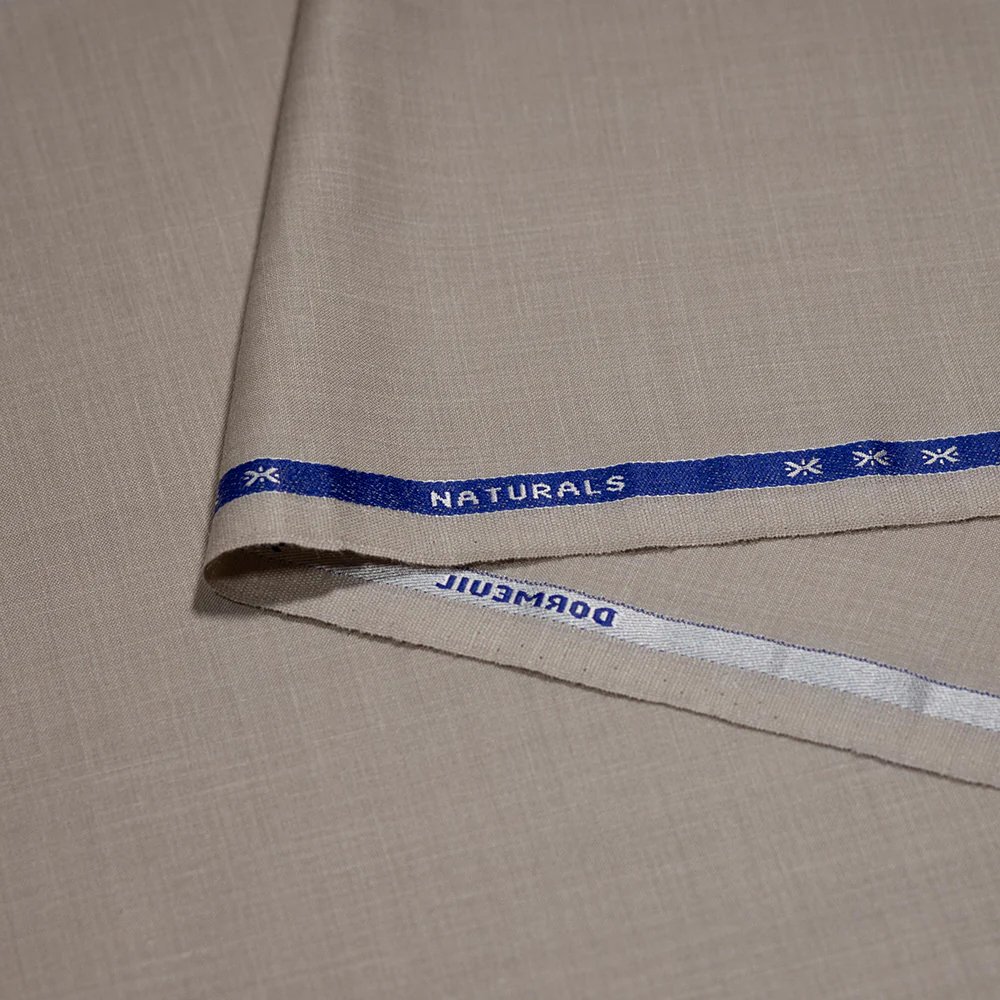
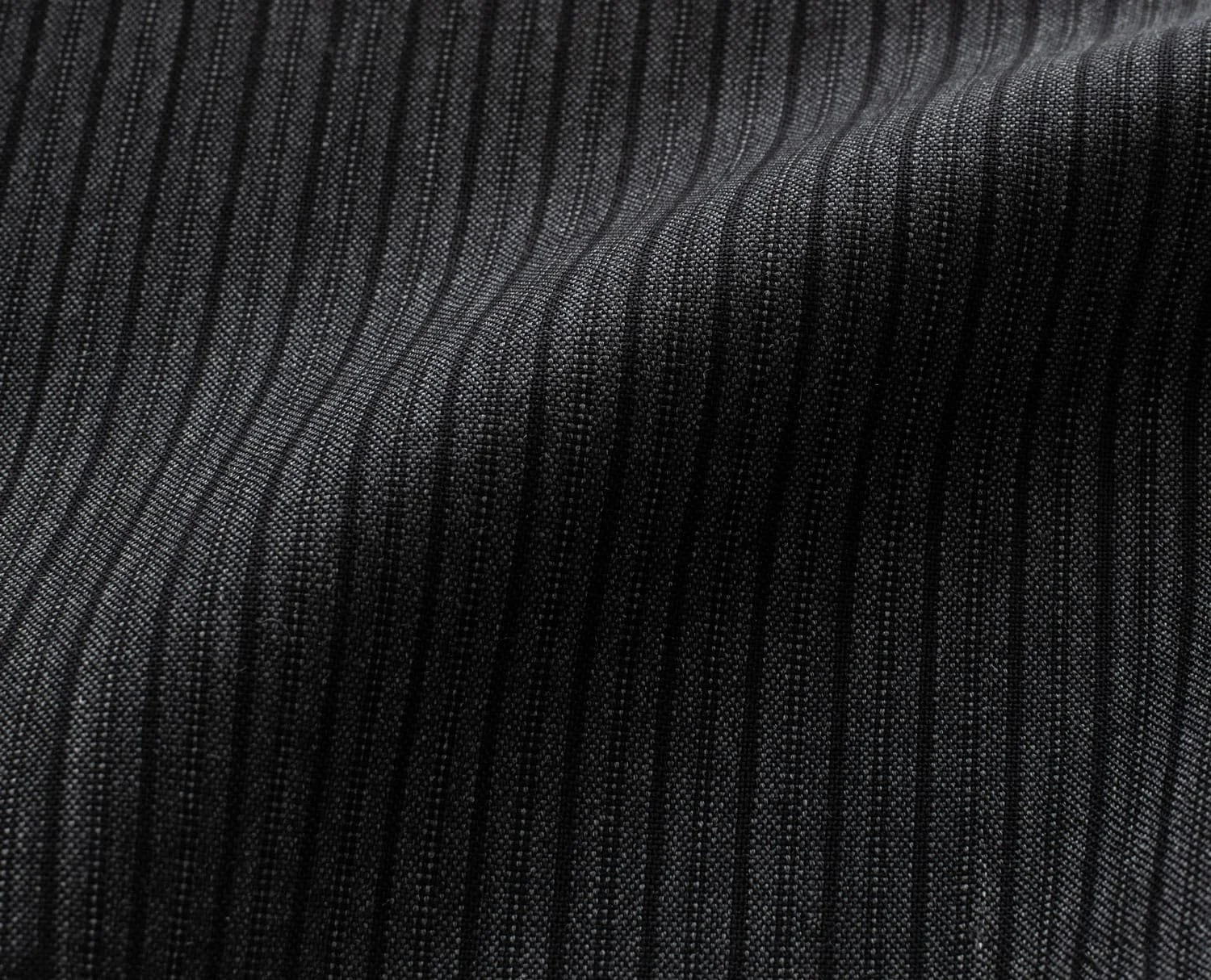
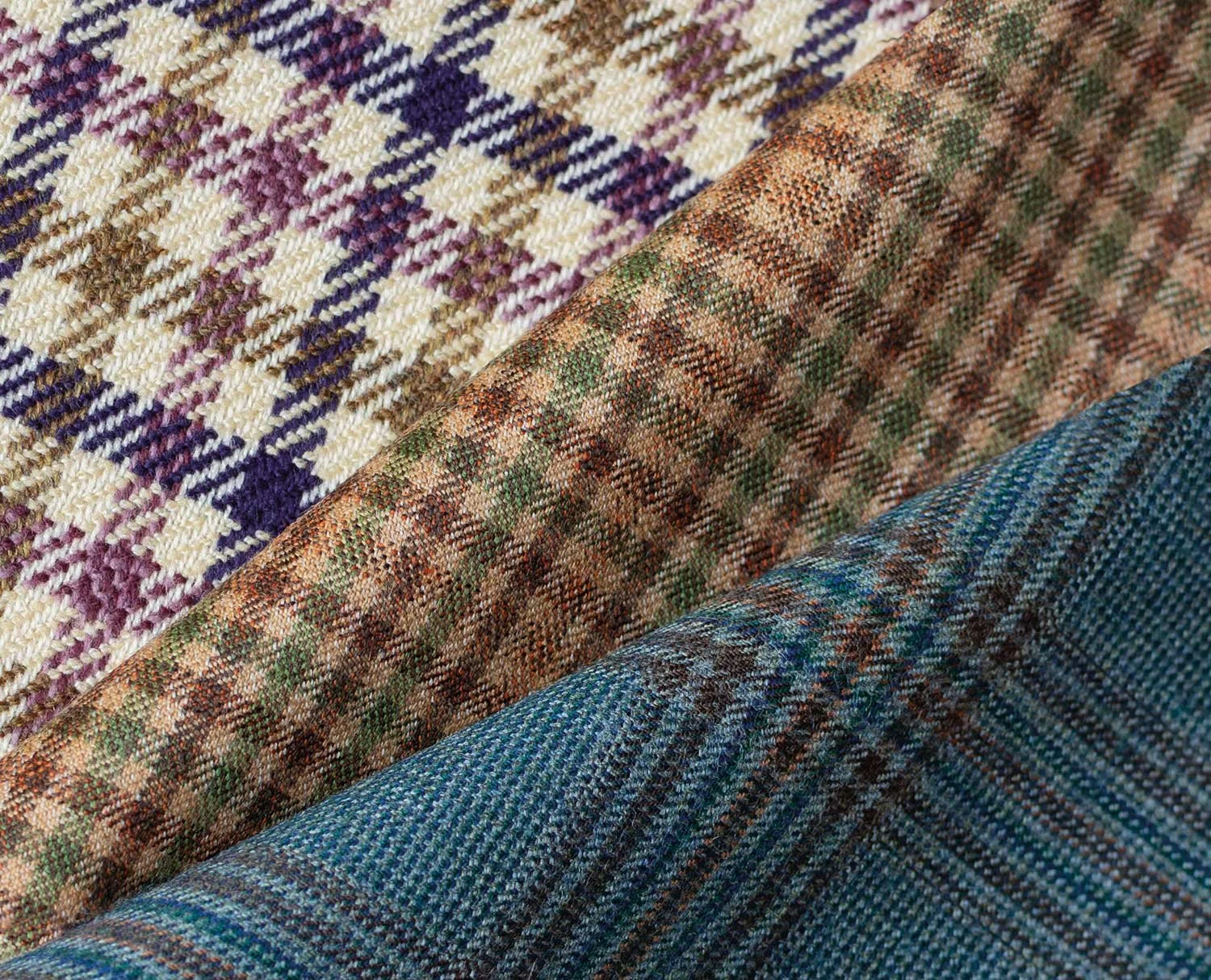
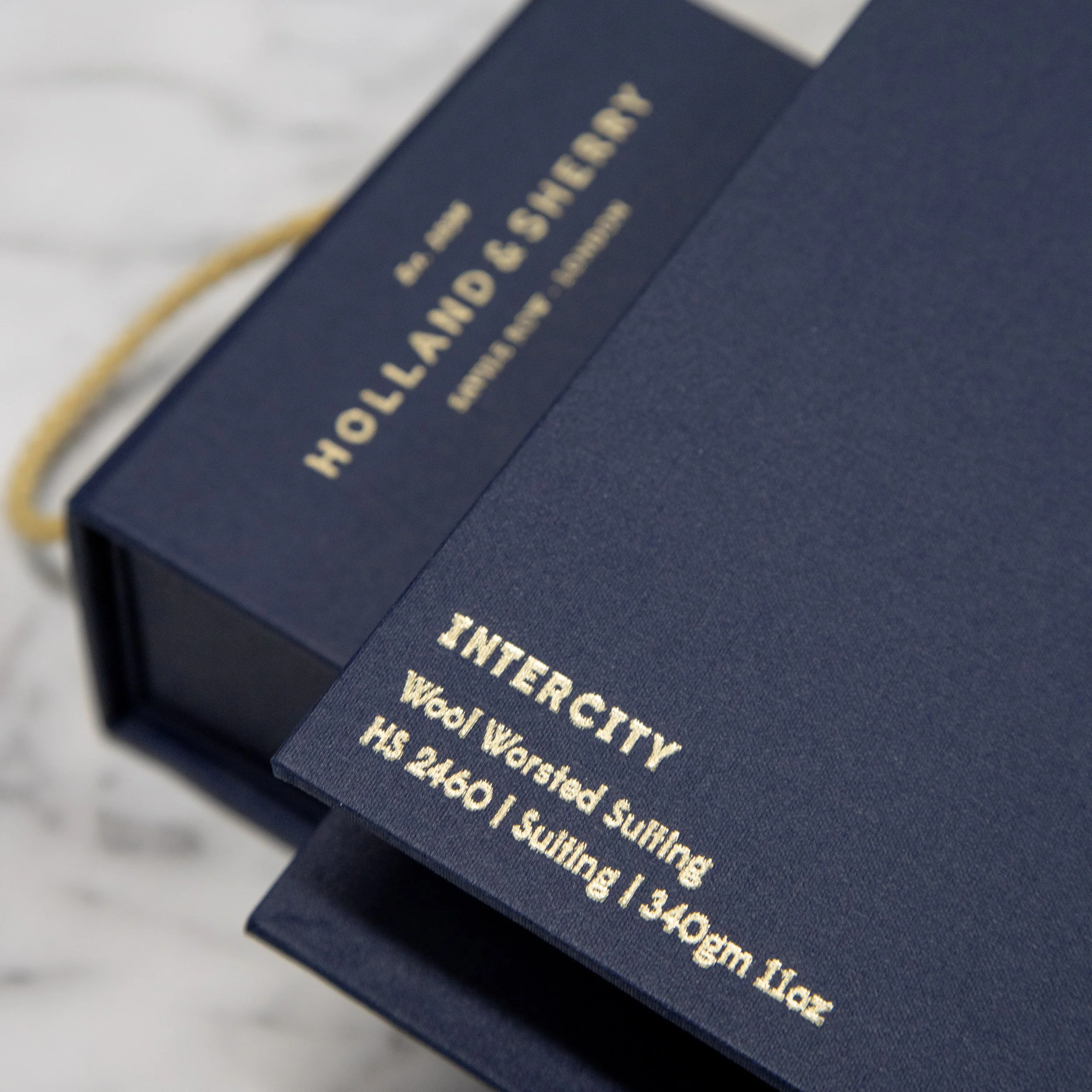
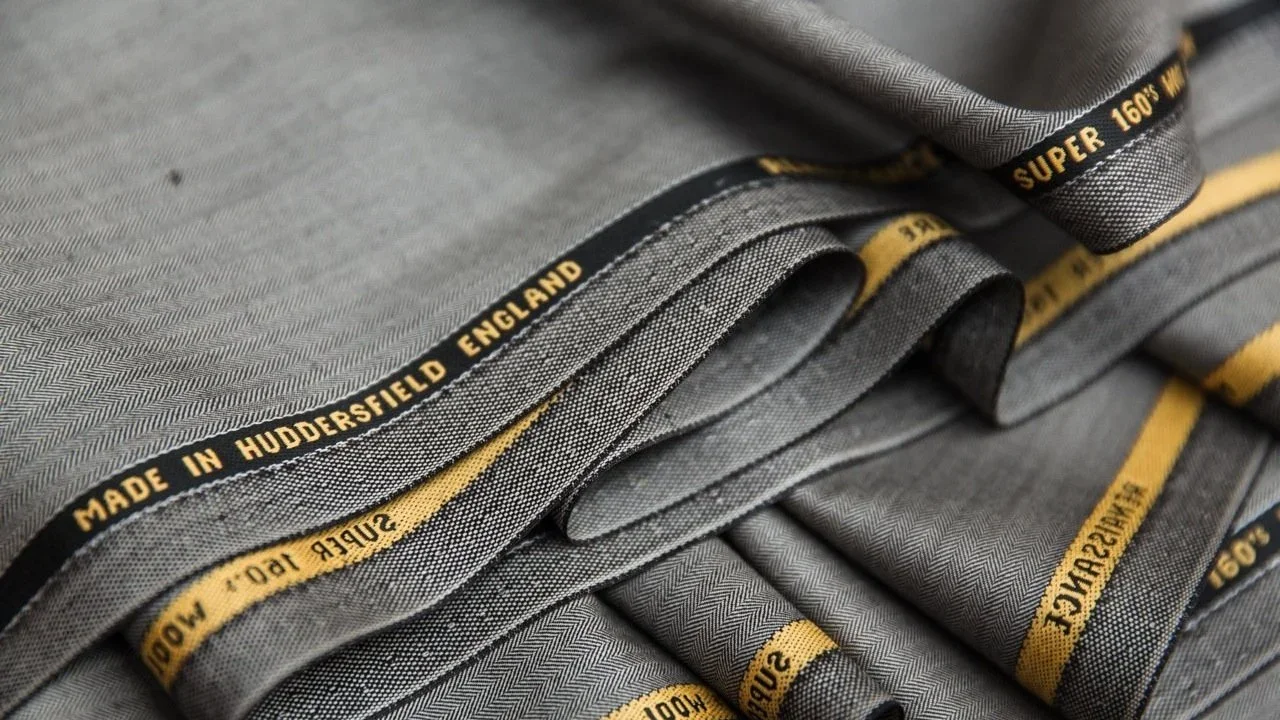
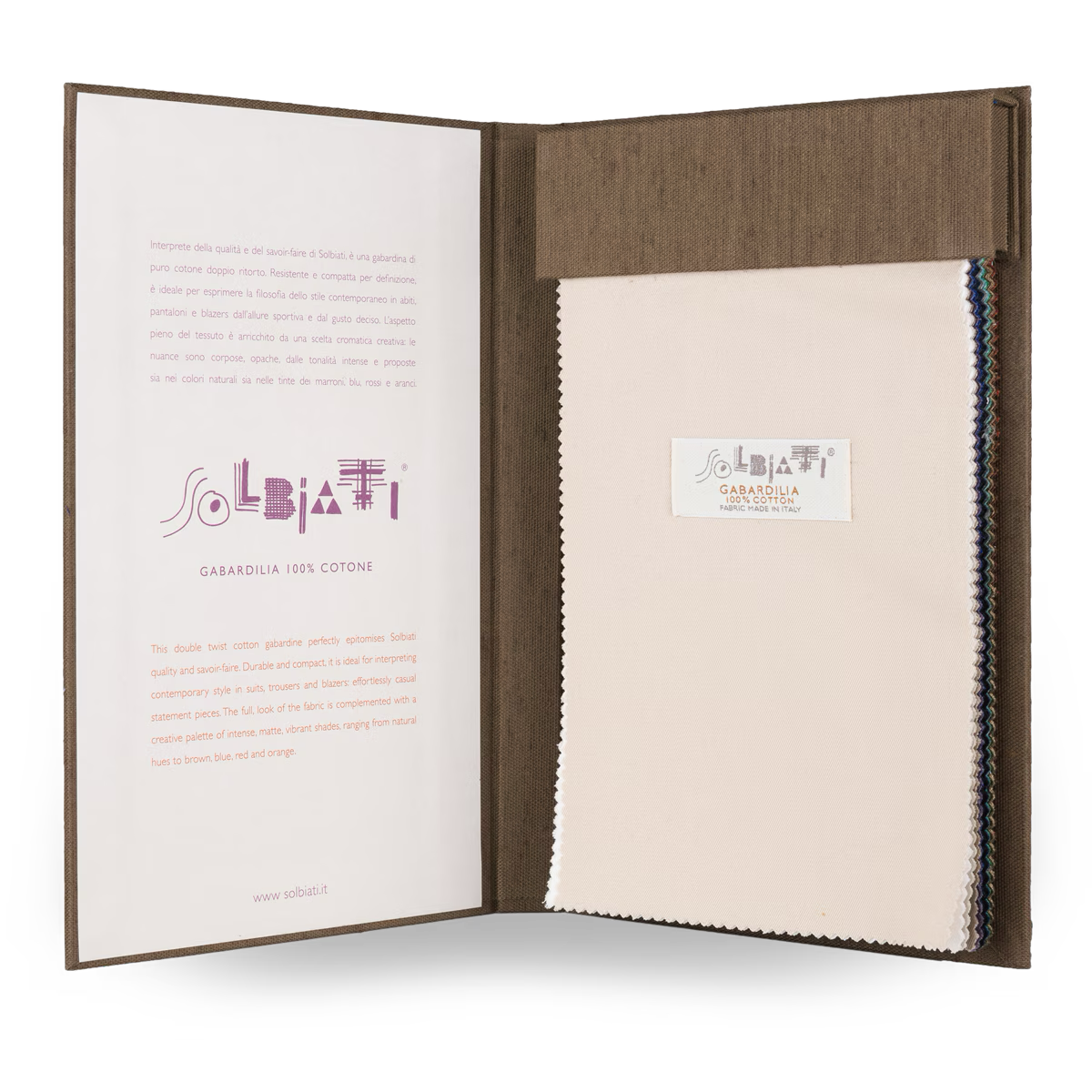
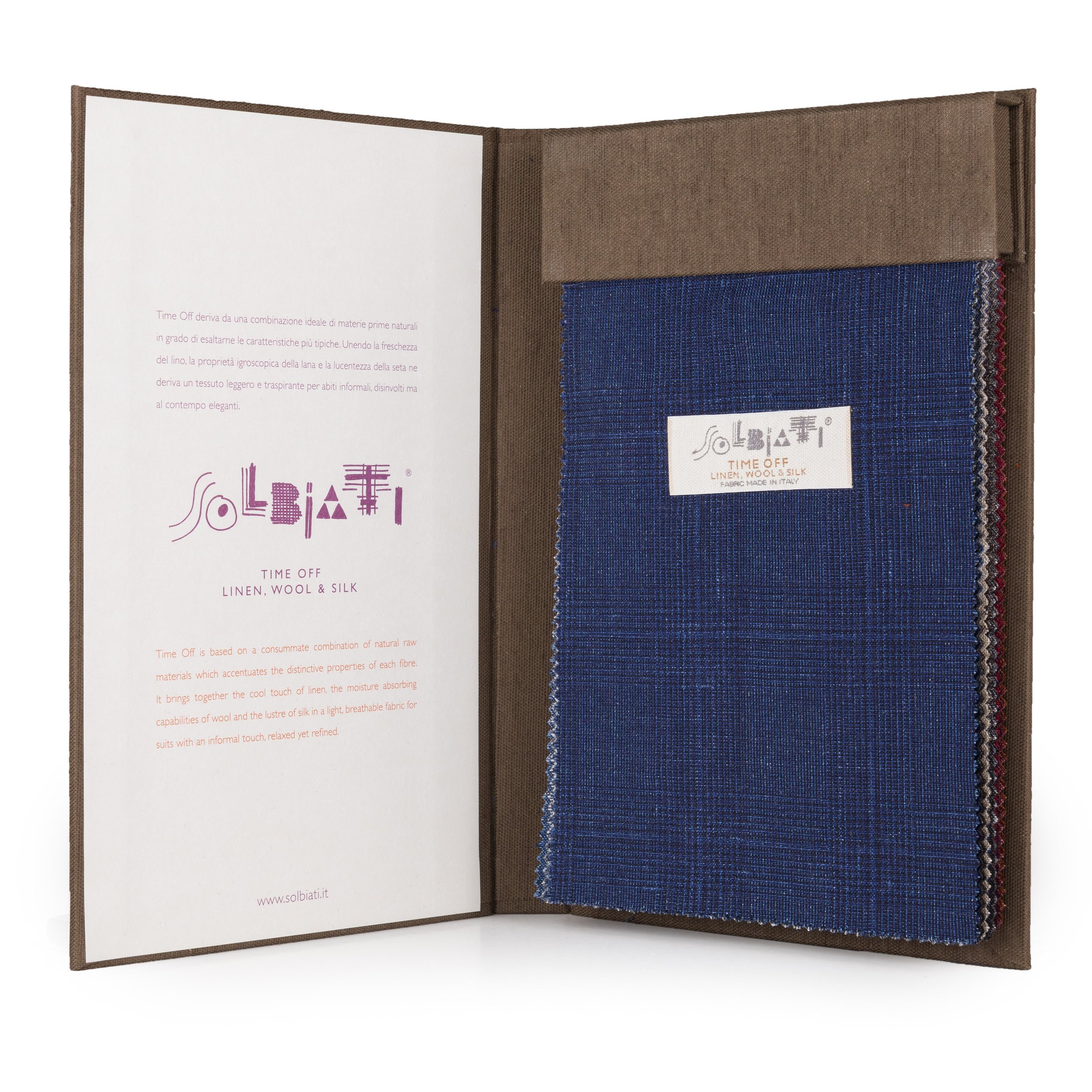
Virtually browse select collections from our featured mills — from luxury houses like Loro Piana, Holland & Sherry, and Dormeuil to high-quality mills such as Drago, VBC, and more.








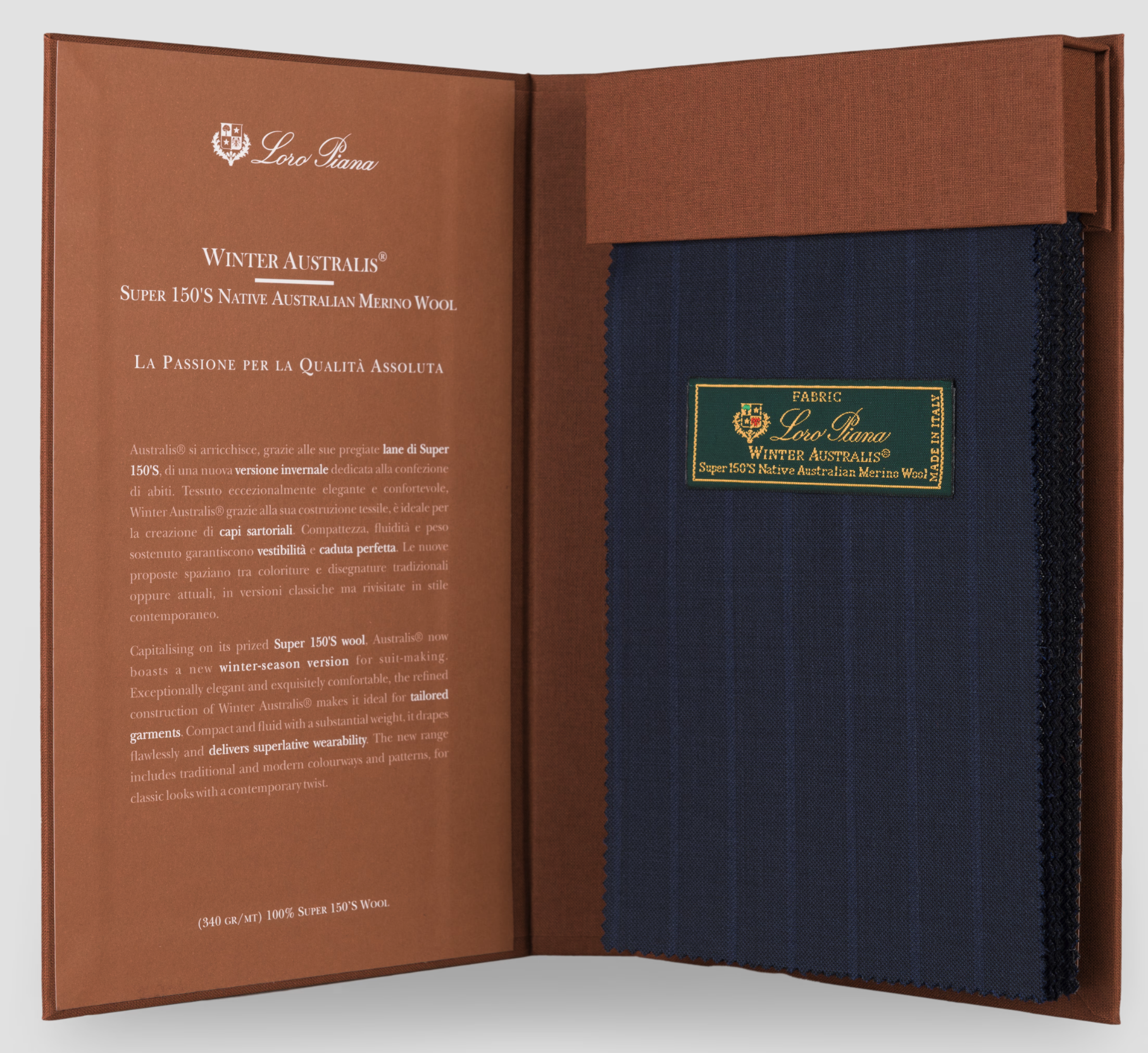

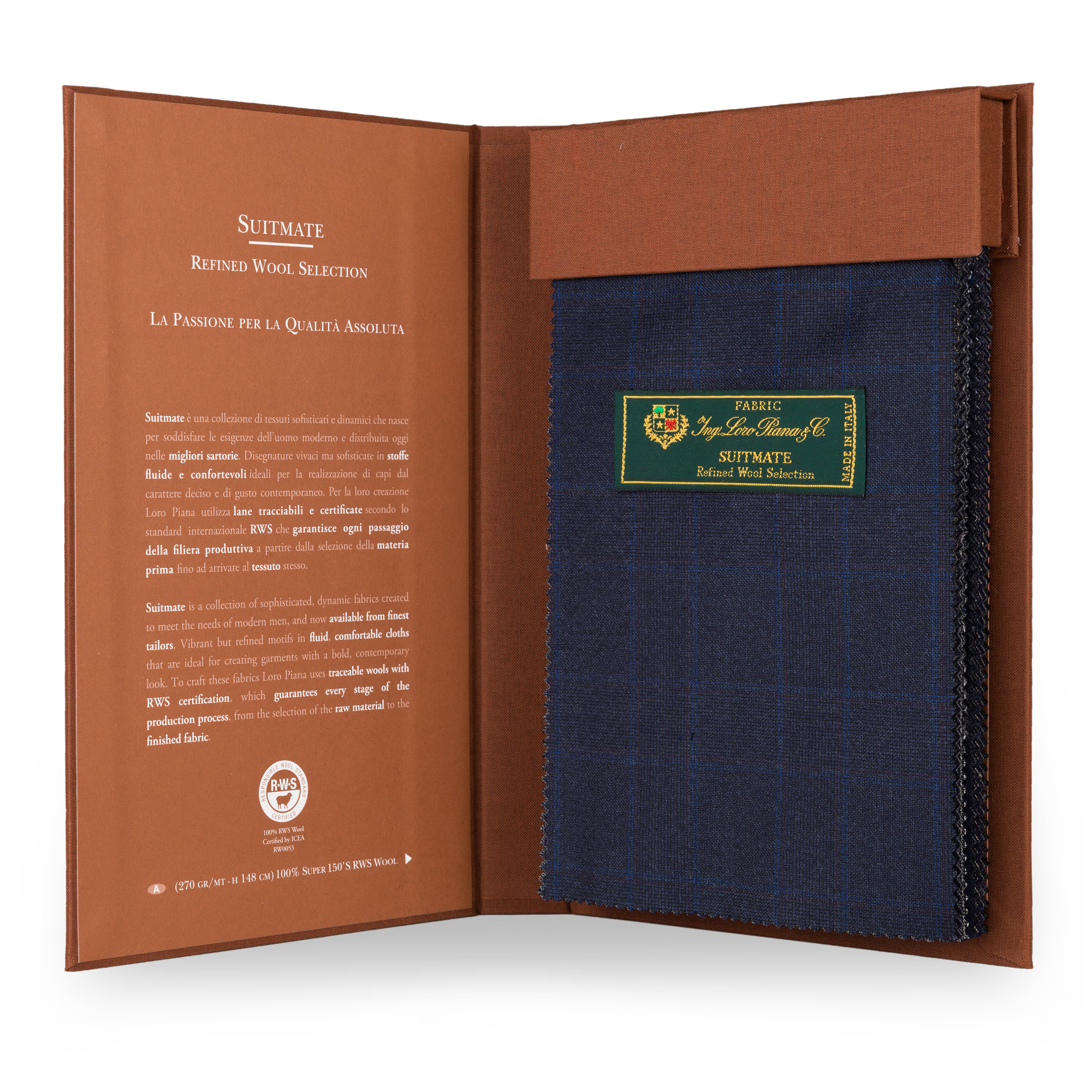


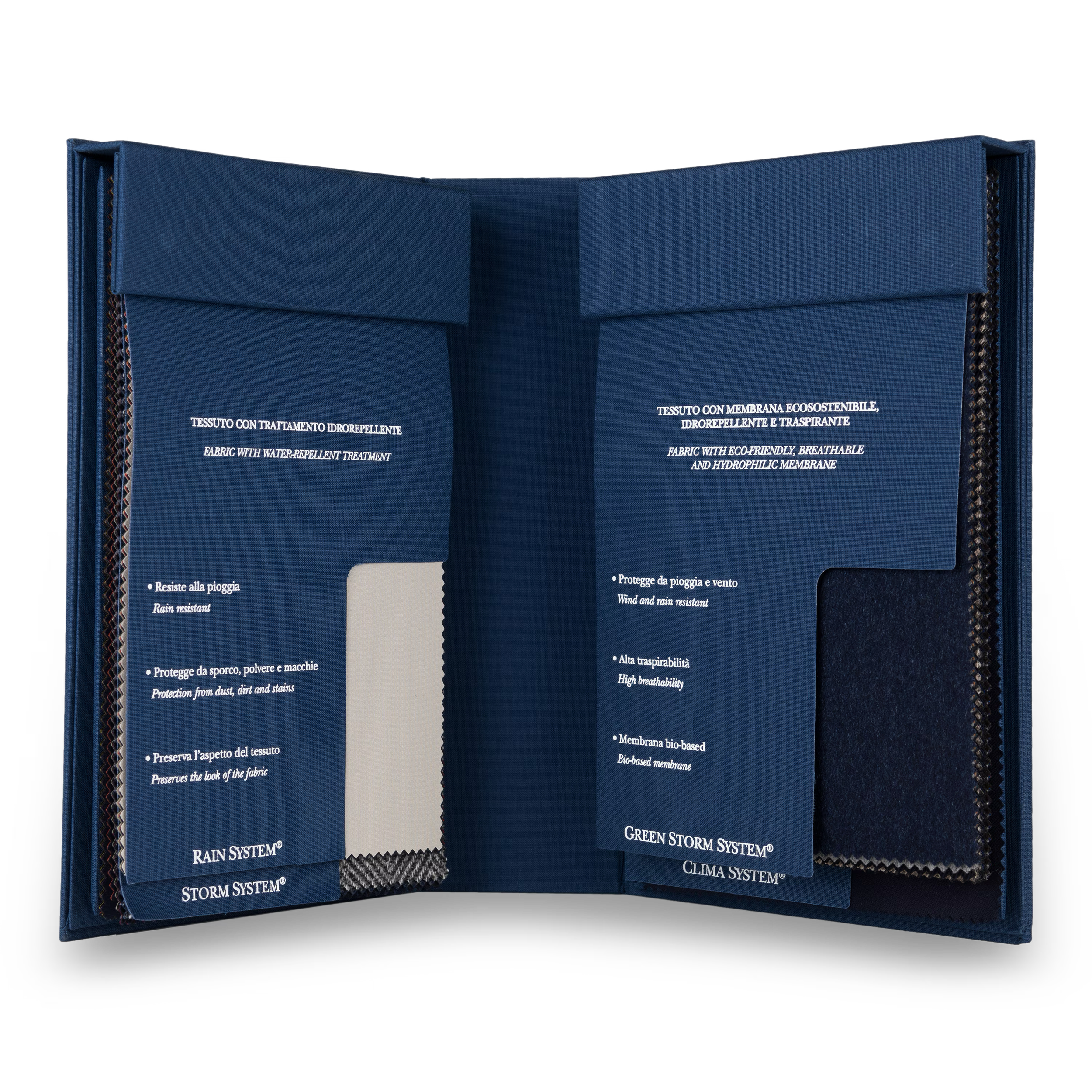


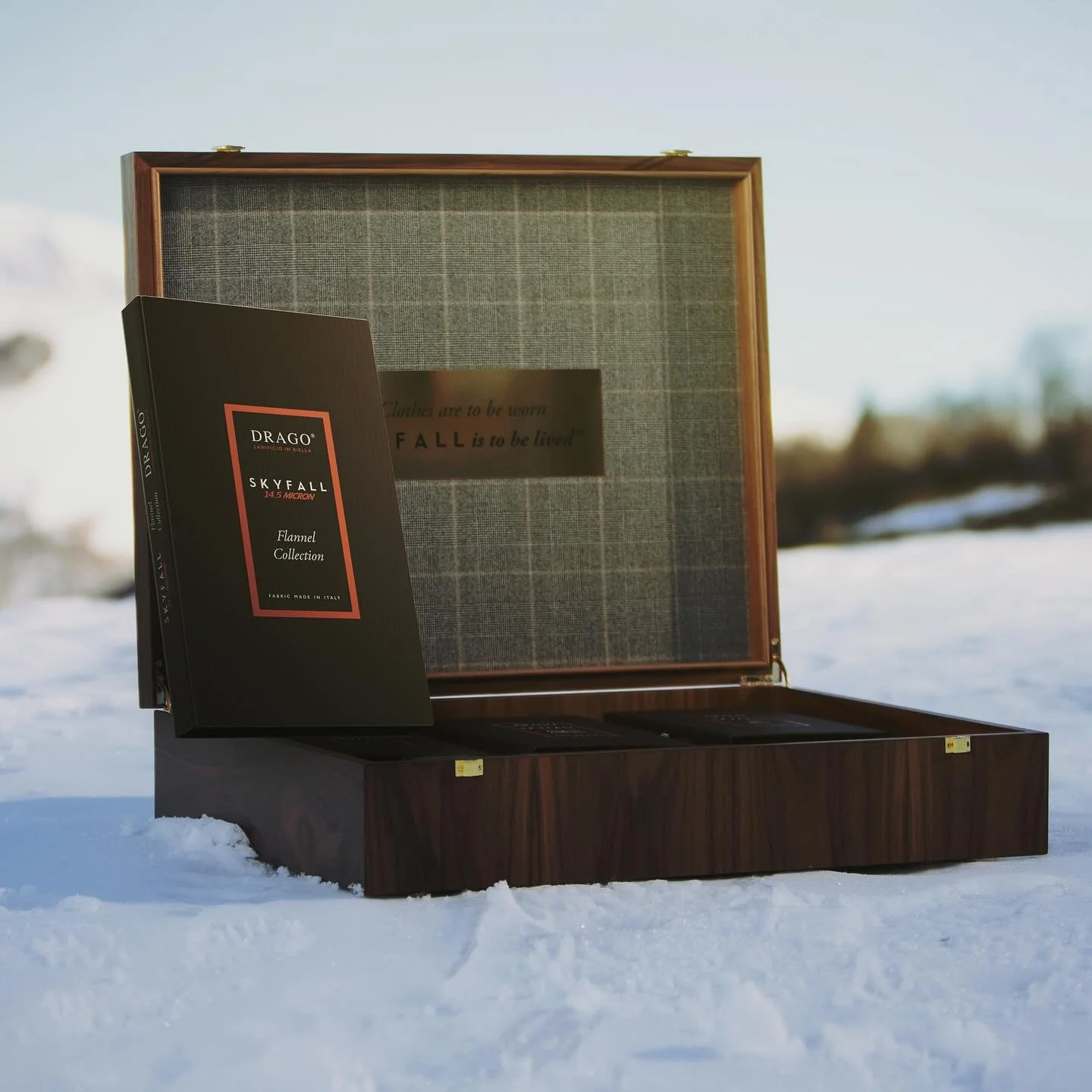










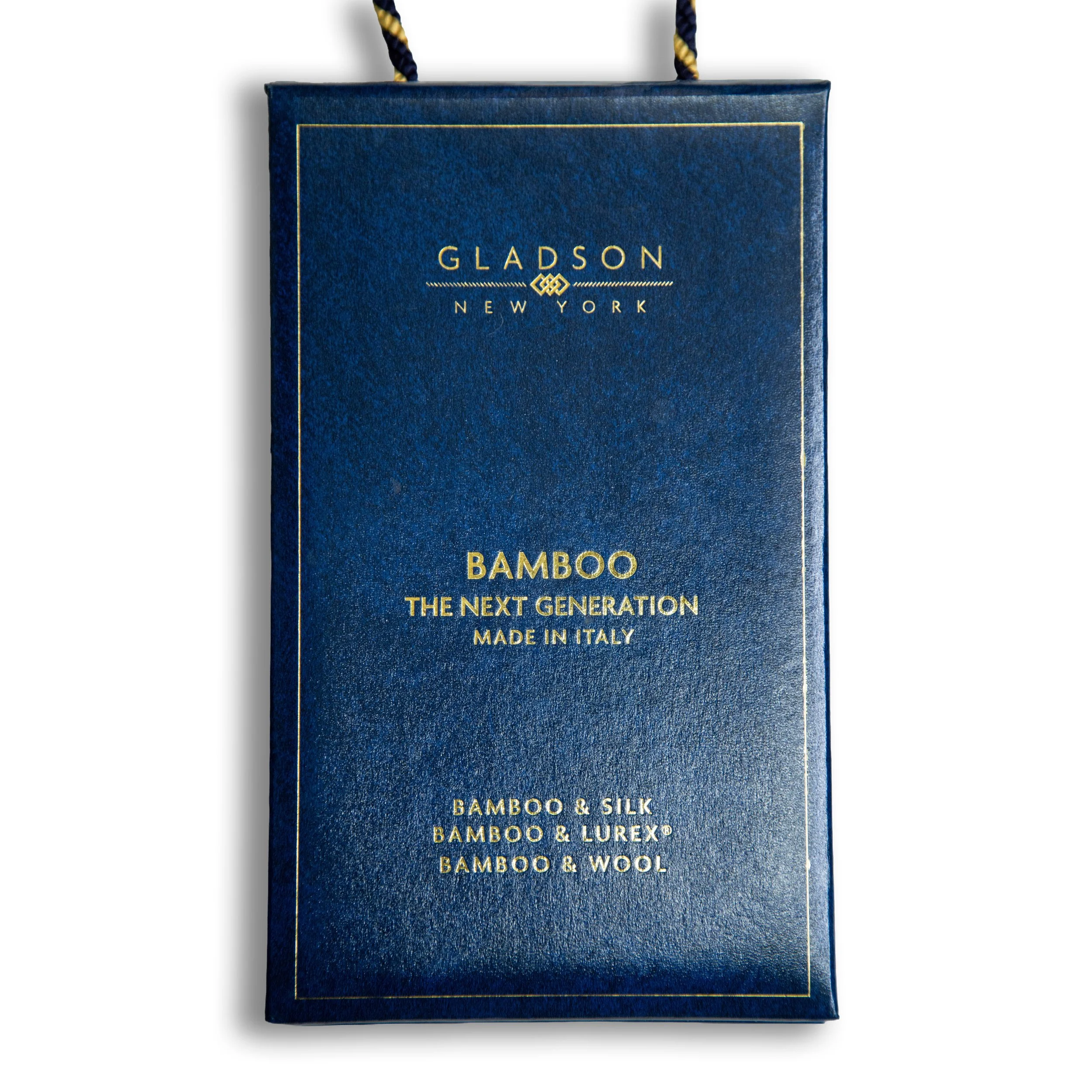



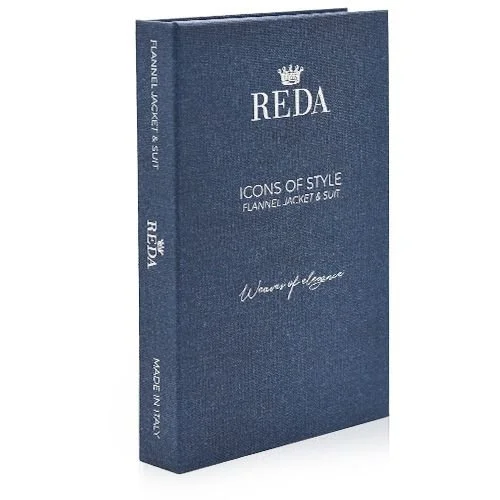
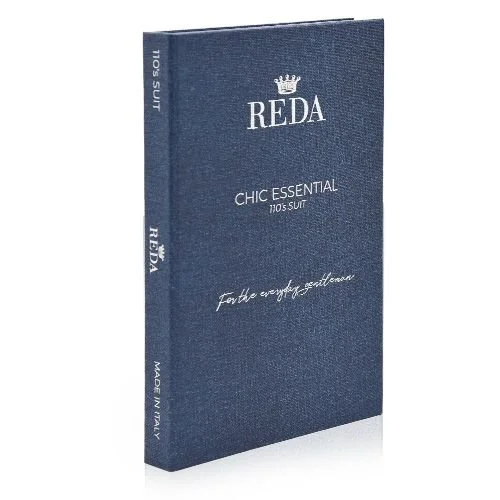
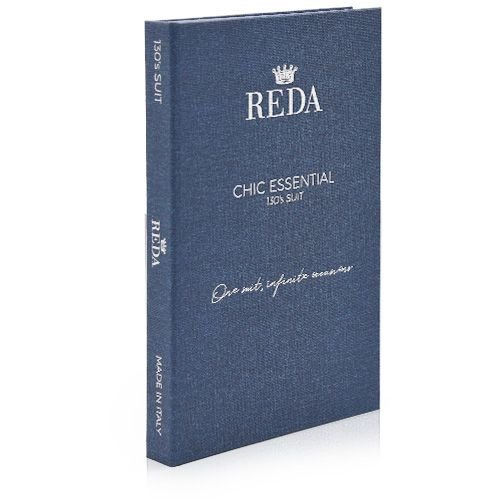
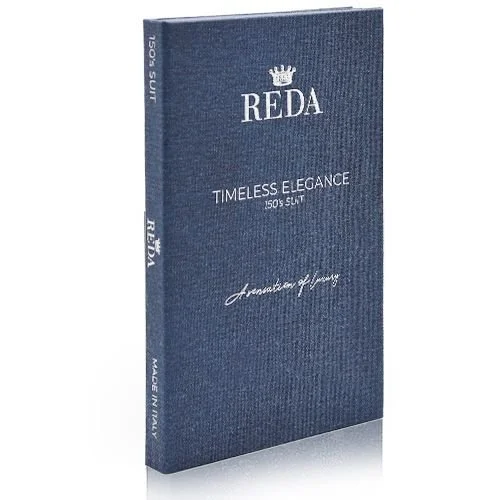
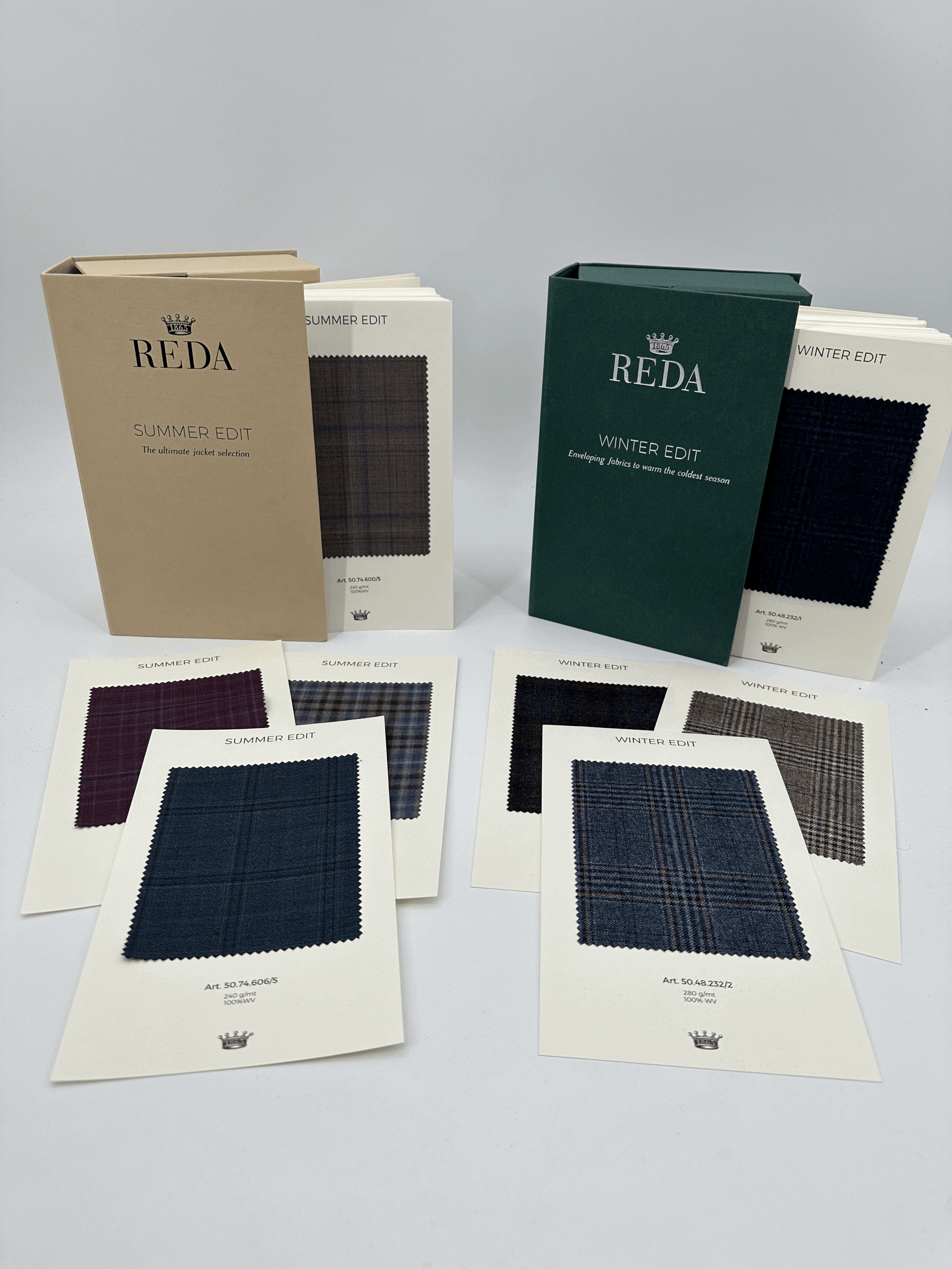





Tailors Note: In-Stock vs. Cut Length
Our In-Stock collection features bulk-purchased essentials from top European mills, delivering faster turnaround and greater savings. For one-of-a-kind pieces, our Cut Length program orders the exact yardage needed directly from the mill—trading speed and cost for access to a far wider, more exclusive selection of fabrics.

In-Stock Fabrics
Ethically sourced and stocked in-house for bulk savings and speed, using Asian and European mills like VBC, LP, Drago & more.



Is your suit fabric good?
Only the best fabrics on the market.
Fabric quality is determined by durability, weight and fineness
On each fabric swatch you’ll see a small sticker with numbers and abbreviations. These are there to decode the fabric’s key qualities so we can help you choose the right cloth. Here’s what they mean.
Fabric Fineness
“Super numbers” (S100, S120, S150, etc.) tells you how fine the wool is. The higher the number, the finer and softer the fabric—but also the more delicate.
S100–S130 – Great for suits you wear often. Soft, refined and still durable.
S150–S180+ – Extra fine and luxurious. Good to have in rotation but not for daily wear.
200s - Ultra premium luxury silk feeling delicacy
Some mills play games with “Super” numbers, so we now prefer to talk about actual micron diameter.
Single vs. Two-Ply
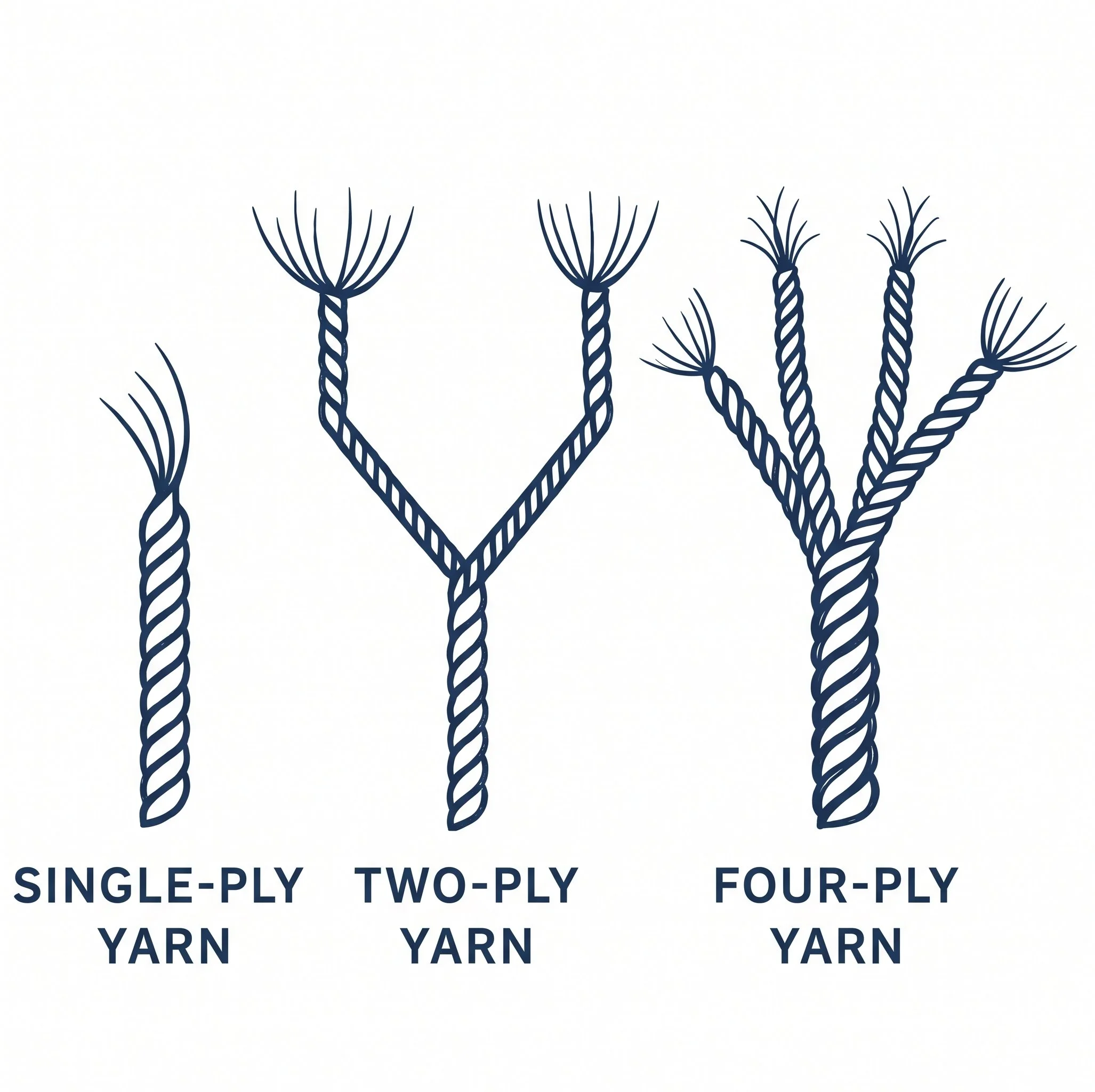
Ply is how many yarns are twisted together into one thread.
Single-ply – One yarn twisted on its own. Can still be very luxurious in higher counts.
Two-ply (Doppio Ritorto) – Two yarns twisted together. Feels smooth, crisp and generally more durable
4-ply - Rare, Four-ply means that four individual strands of yarn are twisted together to form a single, substantial thread. This extra structure creates a thicker, more durable fabric that naturally bounces back from creases, making it even more wrinkle-resistant.
Fabric Weight
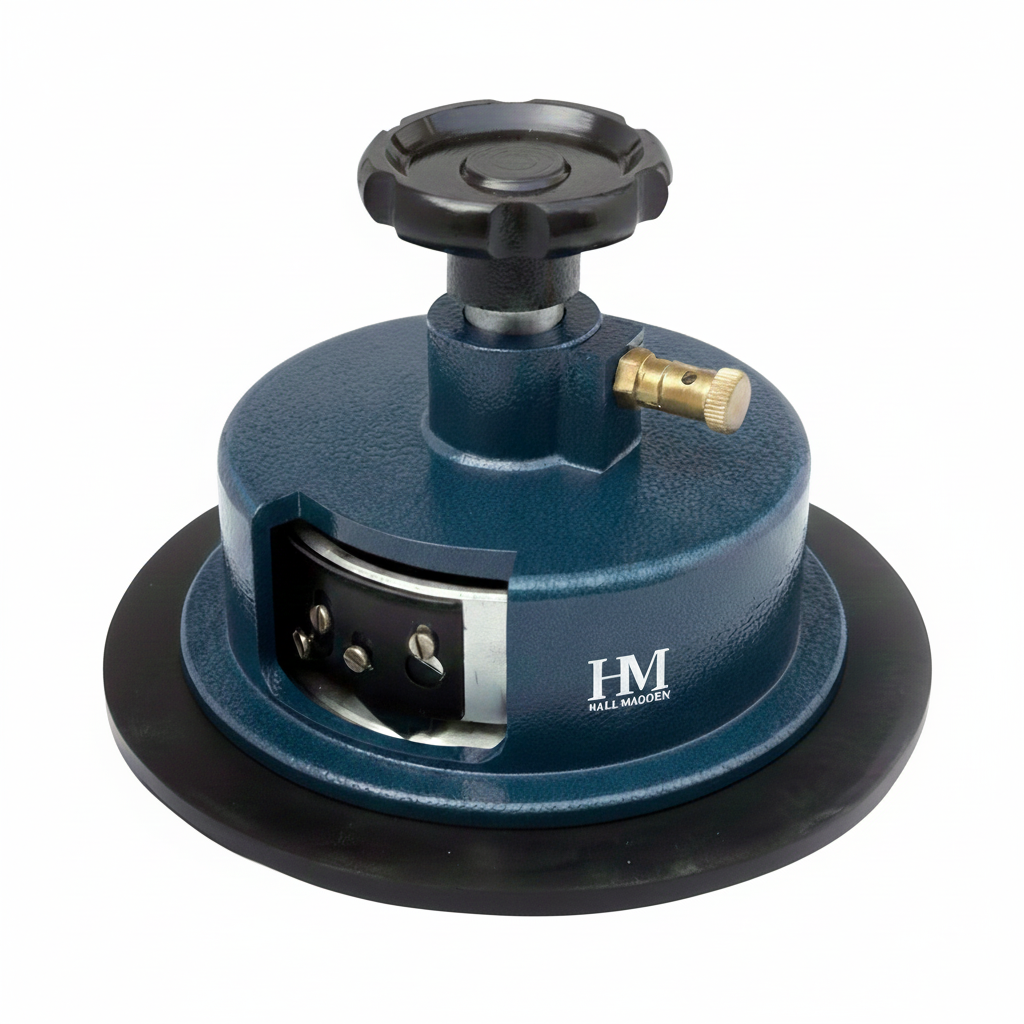
Fabric weight determines seasonal usability; the fabric is weighed from a uniform circular punch-out in grams.
175–225 g – Super lightweight
Best for tropical climates and very hot weather.225–250 g – Lightweight
Ideal for summer and warm locations.250–285 g – Midweight
A true all-season range for most wardrobes.285 g and up – Heavyweight
Great for fall, winter and cooler climates.
(English mills often make heavier cloth for colder weather; Italians tend to go lighter.)
Fabric Durability
We use our own Durability Index (DI 1–5) to set expectations and help match the fabric to how you’ll actually wear it.
DI 1 – Very delicate, luxury blends (think wool/silk/cashmere). They feel amazing but need gentle care and are more prone to pilling and abrasion.
DI 5 – Very durable fabrics designed for regular use. They take much longer to show wear.
Even the toughest cloth still needs proper care. A well-cared-for suit lasts longer, looks better and gives you more wears over time.
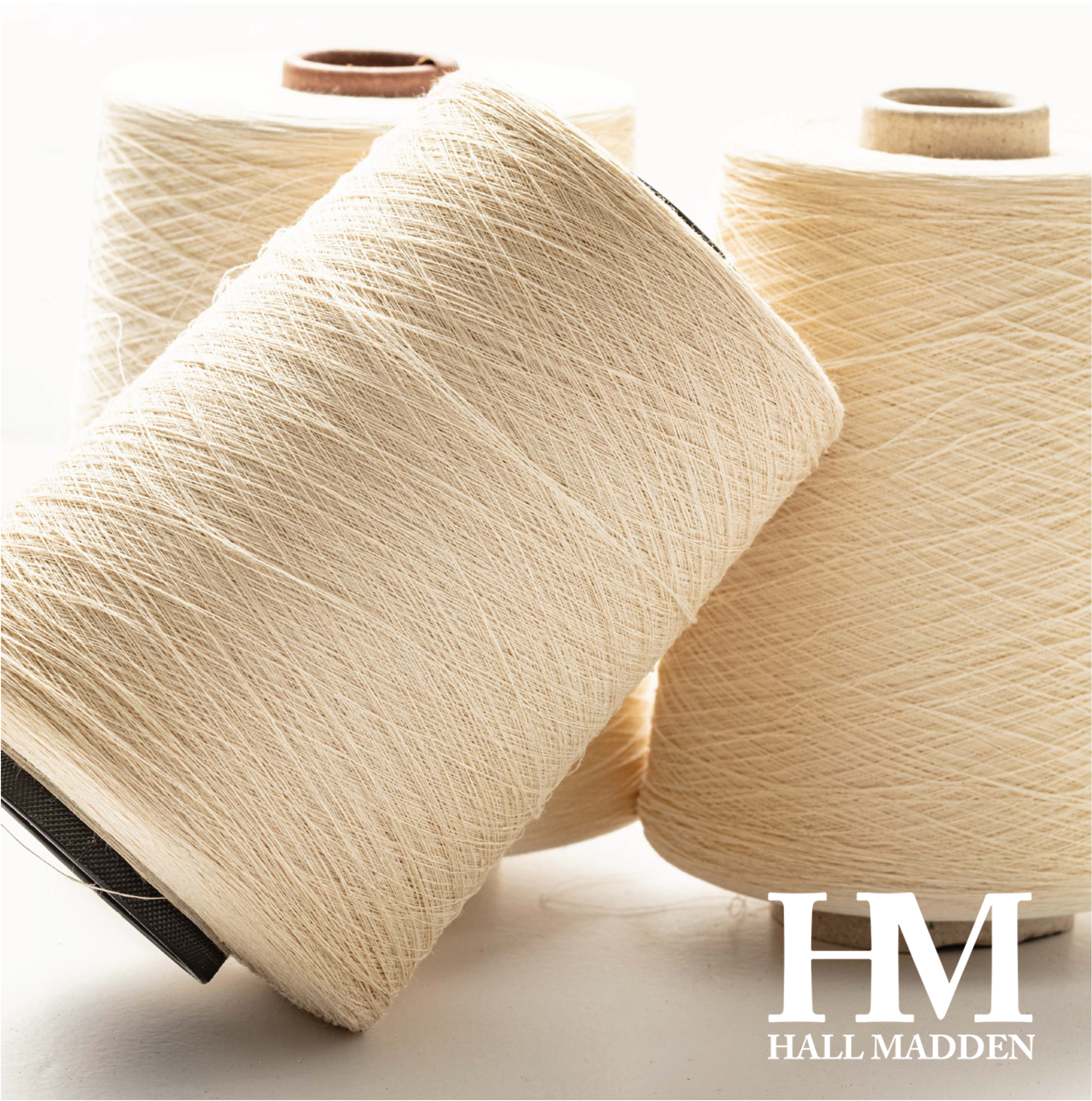
Fabric raw materials
While fit, color, design, construction and style are all crucial things to consider when choosing a new suit, fabric is arguably the single most important element. The fabric will affect both function and aesthetic. A low-quality fabric will ultimately restrict a suit’s utility and wearability – a high-quality fabric can be worn anytime, anywhere.
We offer our customers several different materials to choose from, each with their own advantages. In many cases different materials are blended together to combine these benefits. For example, a fabric composition of 90WO 10WS means that the total weight of the fabric consists of 90% wool and 10% cashmere. An explanation of the materials primarily used in our collection can be found below.
Ethically sourced luxurious fibers from varieties of animals
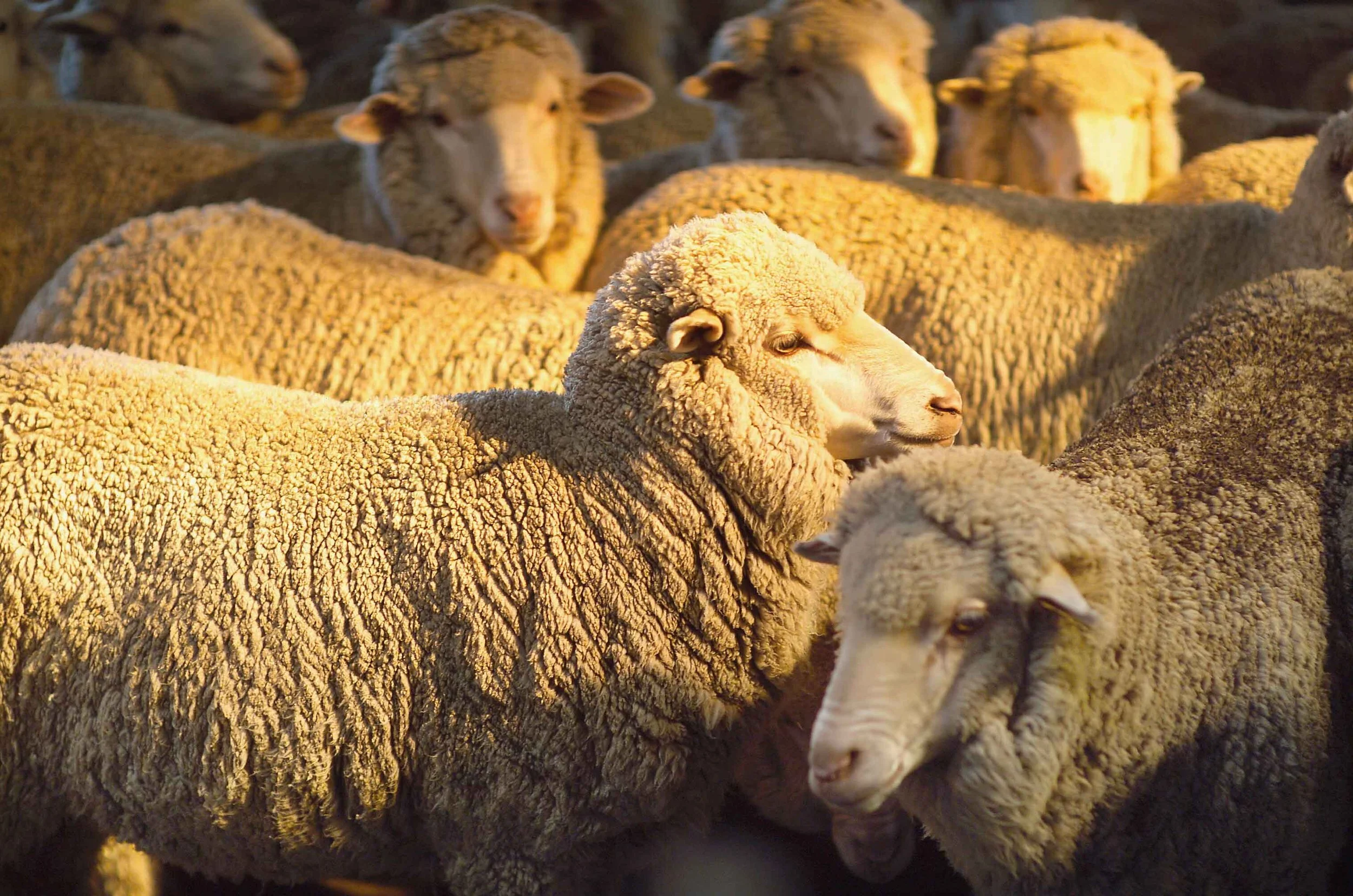
Wool (WO)
Wool is the most versatile suiting fabric. It’s naturally breathable, insulates in cool weather, and stays comfortable in mid-day heat—making it ideal for a true year-round suit. Its elastic fibers help it drape cleanly, resist wrinkles, and mold to your body over time, giving that classic tailored look that still feels soft and easy to wear.
Wool comes from the shorn coats of animals, which are spun into yarn and woven into cloth. Those original coats evolved to protect the animals from harsh weather, so the fabric retains the same benefits: durability, insulation, and the ability to manage moisture. While most people think of sheep’s wool, there are also premium wools from other animals, which we’ll cover separately.
Pros of wool
Can be worn all year round
Breathable
Recovers well from creasing
Shapes to the wearer’s body
Naturally sustainable and renewable
Dirt-resistant
Naturally water-repellent
Wool can absorb at least 30% of its own weight in moisture without feeling damp, then slowly releases it back into the air—so you stay comfortable without that clammy feeling.

Alpaca (WP) & Vicuna (WG)
Alpaca and vicuña are luxury fibers from animals closely related to llamas in the Andes Mountains of South America. Shorn only every two years, they produce some of the softest and most exclusive fabrics in the world. Both are 100% natural, hypoallergenic, and naturally free of lanolin, so they’re comfortable even on sensitive skin. The fibers dye beautifully, resist pilling, and feel exceptionally soft and warm. Just as their coats protect them in a climate with both intense sun and cold mountain air, alpaca and vicuña fabrics help regulate your temperature—keeping you warm in the cold and comfortable in the heat. Thanks to this performance, combined with extreme rarity, vicuña in particular is considered the most expensive wool in existence.
Pros
Warm, luxuriously soft handfeel
Hypoallergenic with minimal skin irritation (not prickly)
Durable and highly resistant to pilling
Comfortable to wear in a wide range of climates
-
The finest fiber in the world can be found only in the Andes on the fleece of the vicuña — a camelid creature whose history in textiles includes the robes of emperors. Long sought after for its ultra-fine and ultra-soft fleece since the time of the Incas, the vicuña continues to capture the imagination of those interested in this unique fiber.
Often known as the most expensive fiber in the world, its price comes from its rarity. The vicuña is only found in Peru, Argentina and Bolivia in very scarce numbers. Due to high demand, poachers hunted the vicuña to near extinction in the 1960s until conservation measures were taken when the population reached a low of 5,000.
Unlike wool fleeces sheared from sheep, the vicuña cannot be bred and kept in captivity. The vicuña must be allowed to roam freely for its fleece to grow properly and for it to live a healthy life. Additionally, a vicuña can only be sheared once ever 2 years and can only be sheared 5 times in its entire lifespan. Each shearing produces approximately 1 lb. of fleece. In comparison, sheep can be sheared for their fleece multiple times a year and produce up to 30 lbs. of wool.
The fleece of the vicuña is an exceptional result of its diet and environment. Each fiber measures around 12 microns in diameter. Even the finest goat cashmere and sheep wool tends to measure 14-19 microns. For comparison, a human hair measures 60 microns. This ultra-fine fiber is hollow and has scales on the exterior, which in turn traps air and creates an insulating effect. The thinness also is what gives the finished woven fabric its soft hand feel. A pound of vicuña can cost up to $1000, versus $10 for wool.
In 1984, Loro Piana sought to help with the conservation efforts of the vicuña through the official channels of the Peruvian and Argentinean governments. By partnering with anti-poaching groups, government conservationists, and native communities, Loro Piana has been able to ensure not just a source for vicuña fleece but also the re-populating of the vicuña.
Since the vicuña roams freely, the humane and cruelty free capture and shearing process involves hundreds of people to encircle and corral the animal in a ritualistic practice that ends with the releasing of the vicuña back into the wild.
The vicuña fleece is available from Hall Madden in several iterations from Loro Piana as blazers and overcoats, blended with cashmere or silk. Prices and swatches available by request and by appointment only.

Camel (WK)
Camel hair comes from the soft downy undercoat of the Bactrian, or two-humped, camel. These camels grow a long, lustrous coat to withstand harsh steppe climates, and their underhair is naturally fine, soft, and lightly crimped. It’s usually a warm beige tone and molts every spring, so the fiber can be collected without shearing.
Young camels (under one year old) produce especially soft, pale “baby camel” hair that is highly prized. Just as a camel’s coat keeps it warm during cold nights and comfortable in daytime heat, camel hair fabrics offer excellent warmth, insulation, and surprising comfort across different climates.
Pros
Warm and soft
Naturally insulating yet breathable
Comfortable in a wide range of climates

Cotton (CO)
If you’re after a slightly more casual vibe with your suit, cotton is your best bet. Not as warm as wool, cotton is a lightweight option with maximum breathability – perfect for the summer season.
Cotton is a 100% natural fibre, grown from the cotton plant. The material is made from the round, fluffy fibres that emerge and surround the plant’s seeds as they mature. Cotton is a lightweight fabric, yet still offers enough protection from the elements to keep you warm and comfortable during cold winter months. Compared to other fabrics, cotton is low-maintenance and known for its breathability.
Pros
Lightweight and breathable
Low-maintenance and casual look
Can be worn in warmer weather

Linen (LI)
Linen fabrics are a favourite for casual suits. Made from the fibre of the flax plant, it can be labour intensive to produce and difficult to weave due to a lack of elasticity. On the plus side, the fabric is incredibly cool, breathable and absorbent – fantastic for hot climates. And unlike other natural fibres, it is light and comfortable against the skin as well as being resistant to pilling Linen creases naturally and easily – it’s futile to fight. You can only embrace it or choose to not wear it at all. The distinct wrinkling is part of linen’s charm and what makes it great for casual wear.
Pros
Casual look and feel
Perfect for warm climates
Characteristic style
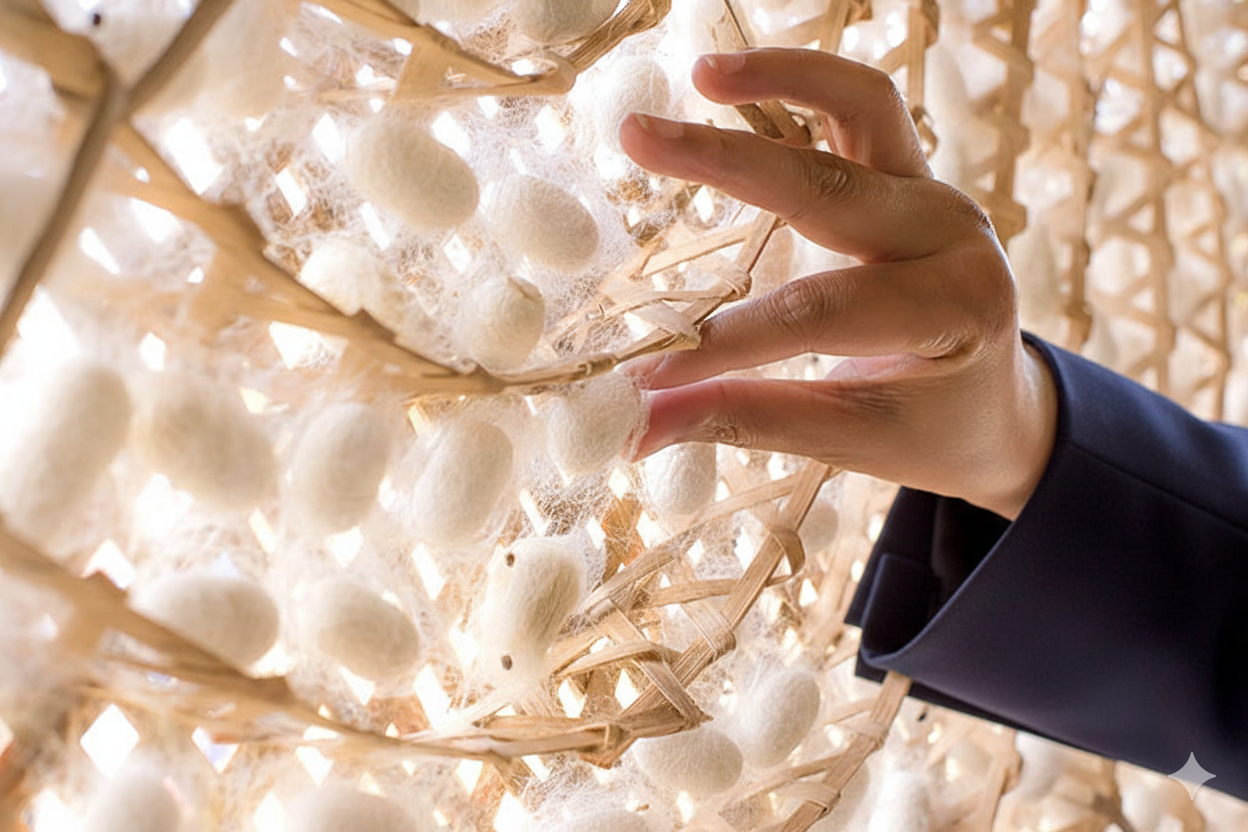
Silk (SI)
Not all silk is created equal. The finest silk comes from the long, continuous filaments of silkworm cocoons (often called mulberry silk). These long, uniform fibers give the fabric its signature smoothness, strength, and subtle luster. Lower-quality silks use shorter, broken fibers or blends that can feel rougher, snag more easily, and lose their sheen faster. High-grade silk, by contrast, is strong for its weight, naturally breathable, and slightly temperature-regulating—it stays cool against the skin in heat, but never feels clammy.
In tailoring, pure silk fabrics are used more for special pieces than for everyday suits. You’ll see silk in jacket linings, pocketing, and tuxedo facings (lapels and trouser stripes), where its fluid drape and elegant sheen are on display. For suiting cloth itself, silk is most often blended with wool—and sometimes linen—to fine-tune performance and feel. A wool–silk suit will usually have richer color depth, a softer hand, a touch more sheen and luxurious glow while still relying on wool for structure and durability.
Blend it to give a luxurious sheen & glow

Cashmere (WS)
Cashmere is one of the more expensive and luxurious types of wool. The name comes from the Kashmir region of India, near the Himalayas, where the furry goats that supply cashmere wool originate. The fur of a cashmere goat consists of an unusually fine undercoat that helps the animal withstand intense cold. The under hairs are separated from the coarser guard hairs and sorted by color once a year, making the yield per goat very low and very valuable. A suit made with this fabric will be as warm as it is soft, light and lustrous.
Not all cashmere is created equal. Lower-quality qualities often use shorter fibers, which are more prone to pilling and are sometimes blended with other materials to cut costs. The finest cashmere uses the longest, thinnest fibers—these are softer, warmer, more durable, and much rarer. The highest-grade cashmere may even feel slightly firm at first, then soften beautifully with wear without breaking down or shedding excessively. Loro Piana, for example, enforces strict quality controls so only these superior fibers make it into their fabrics, ensuring consistent performance and longevity.
Cashmere can also be blended with other fibers to change the final fabric’s properties. When blended with worsted wools, it can add warmth and softness to a suiting fabric. When just 5-10% is added to a flannel, it can lighten up the weight while increasing its insulating abilities.
Pros
Exceptionally soft and luxurious feel
Superior insulating qualities
Perfect for cold climates
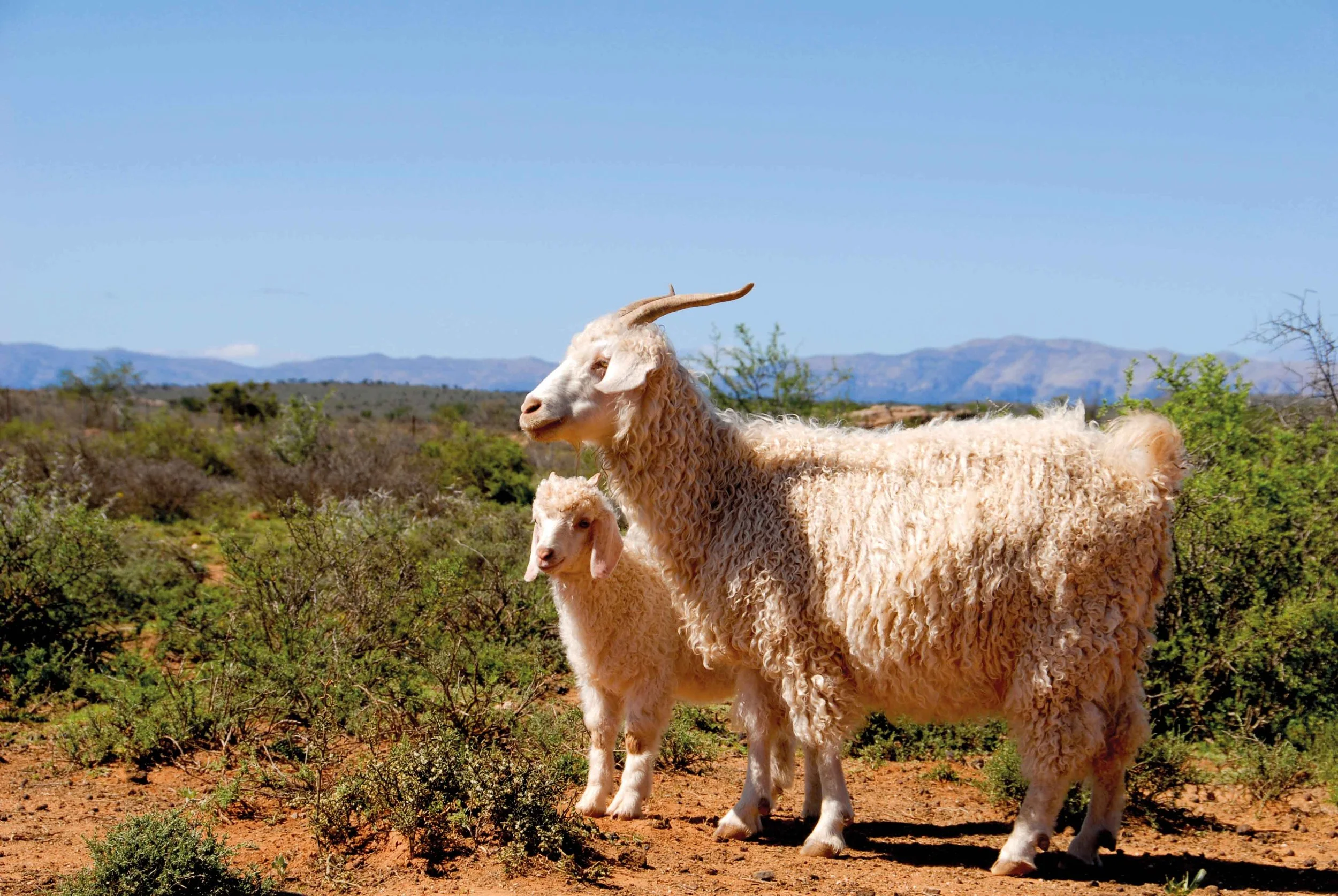
Mohair (WM)
Mohair is the hair of the Angora goat, often called the “diamond fiber” for its natural shine and luster. Shorn twice a year, these goats produce long, silky, lightly curled fibers, with the finest mohair coming from Texas, South Africa, and Turkey. Thanks to the Angora goat’s climate-adapting coat, mohair fabrics are naturally temperature-regulating—keeping you warm in winter and comfortably cool in summer.
Kid Mohair: Like other luxury fibers, mohair is limited in supply. Angora goats are typically not shorn for fine textiles after about eight years of age, as the fibers become too coarse. Rarest of all is kid mohair, taken from the goat’s first shearing. This fleece is finer, softer, and therefore more exclusive and expensive—ideal when you want a sharper, crisper cloth that still feels refined.
Pros
Great in tuxedos
Exceptionally silky, lustrous handfeel
Naturally temperature-regulating
Comfortable to wear in all climates
Available in ultra-soft, premium kid mohair qualities
What types of fabric weaves are there?
Once you have a suit in a basic and versatile weave (such as a twill, herringbone, birdseye, sharkskin or nailhead) we like our customer to expand their knowledge and wardrobes in terms of fabric weaves and their best uses.

Barathea
Barathea is a variation on a satin weave usually used for eveningwear – think the lapels of a smoking jacket. In this weave, the weft thread passes over fewer warp yarns than in a normal satin weave to give the fabric its soft and smooth texture.
Pros
Soft and smooth texture
Ideal for formal and evening wear

Birdseye
An all-over weave that creates tiny dots resembling the eye of a bird. The intended effect is for the material to appear solid from a distance and the pattern only noticed when up close and personal. Birdseye suits are an excellent solution for those who prefer solid suits but desire a bit of extra visual interest and texture.
Pros
Can be worn both casually and formally

Bouclé
Bouclé is both a yarn and the fabric woven from it. The name comes from the French word ‘buckled’, as bouclé fabric is loosely woven with small curls or loops that create a knobbly surface. These textured woollens are generally woven in a combination of two or more different colours (or shades of the same colour). It is often associated with tweed, as the fabrics have many natural properties in common and because boucle yarn is sometimes used in tweed fabrics too.
Pros
Luxurious and elegant look
Rich texture
Resistant to wear and tear

Corduroy
This 70s favourite is making a fashionable (and welcomed) comeback. Corduroy is a cotton fabric that is twisted into thick ribs that are both hard-wearing and soft. A variant of the classic velvet fabric, it is warm and very flexible too. Though one of the best things about this iconic fabric is that it gets better with age. Corduroy is mostly used for trousers, but designers have now realised it can work well for full suits and jackets too. It should go without saying that corduroy is a fantastic fabric for your winter wardrobe.
Pros
Luxurious
Very warm and durable

Flannel
Flannel is the staple winter fabric for men’s clothing. Always made of wool or cotton, it has a distinctive appearance and texture. Fine metal brushes run over the fabric to create soft raised fibres also known as a
‘nap’ to produce this unique softness. It is very warm, comfortable, durable and drapes nicely. While it is true that flannel is a historic fabric, people across the globe still love it for its soft feel and mélange of muted colours.
Pros
Perfect for winter
Very durable
Resistant to creasing and drapes well
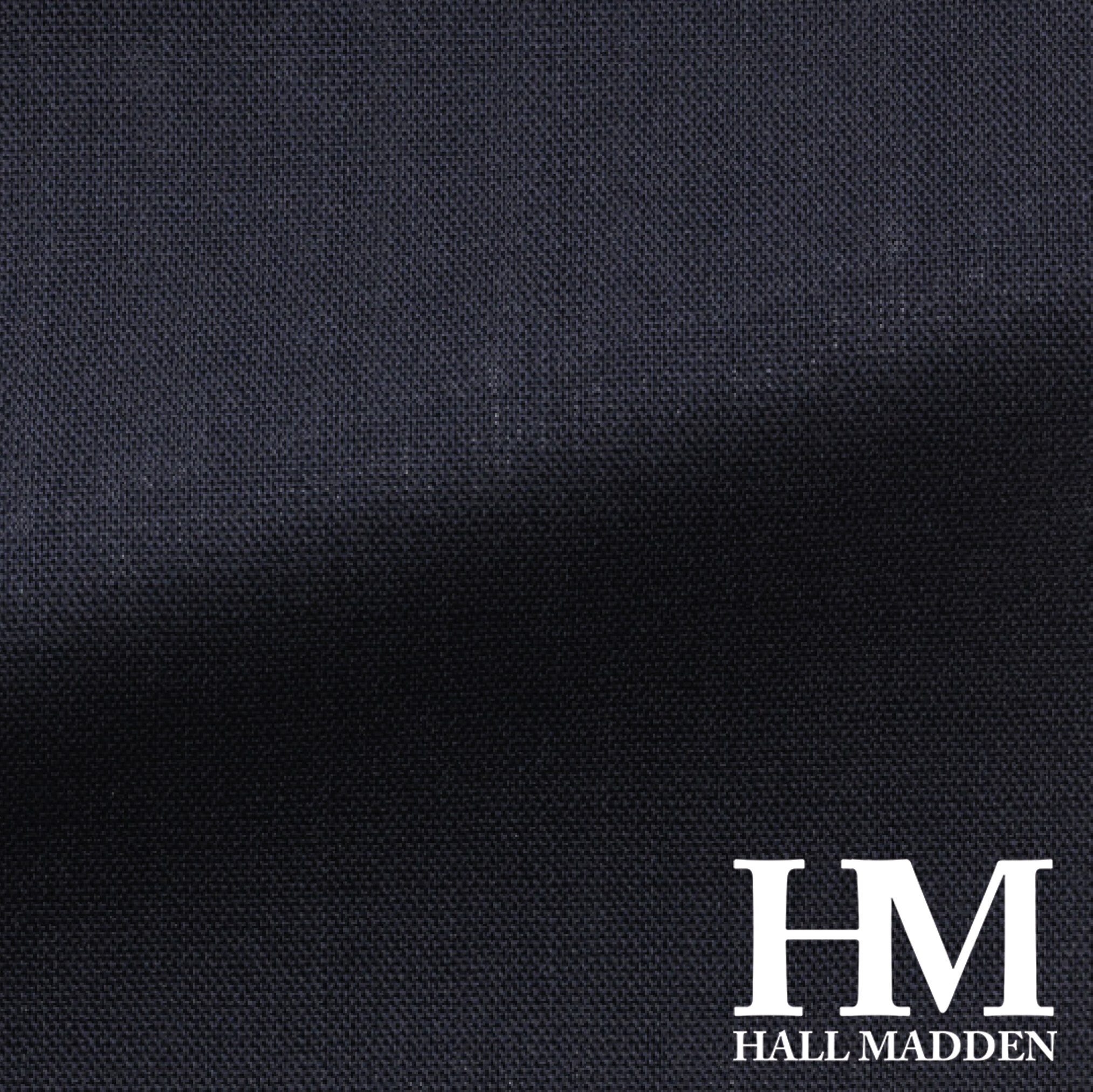
Fresco
Fresco is generally made of multiple yarn, high twisted wool and has a plain weave. The high twist allows for an open weave, which makes the fabric very airy in the sense that you can feel any breeze. Also, due to its high twist, it has a rather coarse feel to it and a rather hard touch. At the same time, this makes for a very dense and durable fabric.
Pros
Keeps you cool
Resistant to wear and tear

Gabardine
Gabardine was actually created by Thomas Burberry, founder of Burberry, who wanted to create a versatile fabric blend that would hold up well to intense wear and tear. He drew his inspiration from ‘gaberdina’, a loose and long garment from the Middle Ages worn over blouses and breeches for protection from the elements. Gabardine is a durable and smooth twill-woven cloth with a tendency to hold its shape and resist wrinkling – a huge plus for anyone who wants a suit that will continue to look smart throughout the day.
Pros
Wrinkle resistant (great for travelling)
Tough and durable (even with intense wear)

Herringbone
The herringbone jacket is a British classic, so named for its distinctive zigzag pattern resembling the skeleton of a herring. This bold pattern gives the cloth a richness and texture that is perfect for autumn or winter. Subtle, monochromatic versions of this weave are popular for suits, while bolder versions make for excellent sport coats.
Pros
Casual, classic look
Rich and textural

Houndstooth
Houndstooth is a symmetrical, multi-coloured, broken check pattern. It can be distinguished from other similar types of check by its jagged edges, formed by twill lines that flare out from the sides of the pattern’s squares. Houndstooth is sometimes referred to as pied-de-poule or ‘foot of a chicken’ in French – another image the jagged pattern is thought to resemble. It’s a classic pattern but not necessarily everybody’s cup of tea. With a busy print like this, you do have to be somewhat careful when pairing with other garments especially in different colours, patterns or textures.
Pros
Bold, casual look

Ottoman
A weave with many names, you may know Ottoman as ‘grossgrain’ or ‘faile’. It produces a distinctive ribbed texture, heavy weight and subdued yet elegant sheen. Ottoman fabric is well regarded for its smooth, lustrous feel and easy drape. These qualities, combined with a readiness to take a crease, make it a popular choice for elegant apparel such as tuxedos.
Pros
Elegant sheen and smooth feel
Drapes well
Great for formal wear
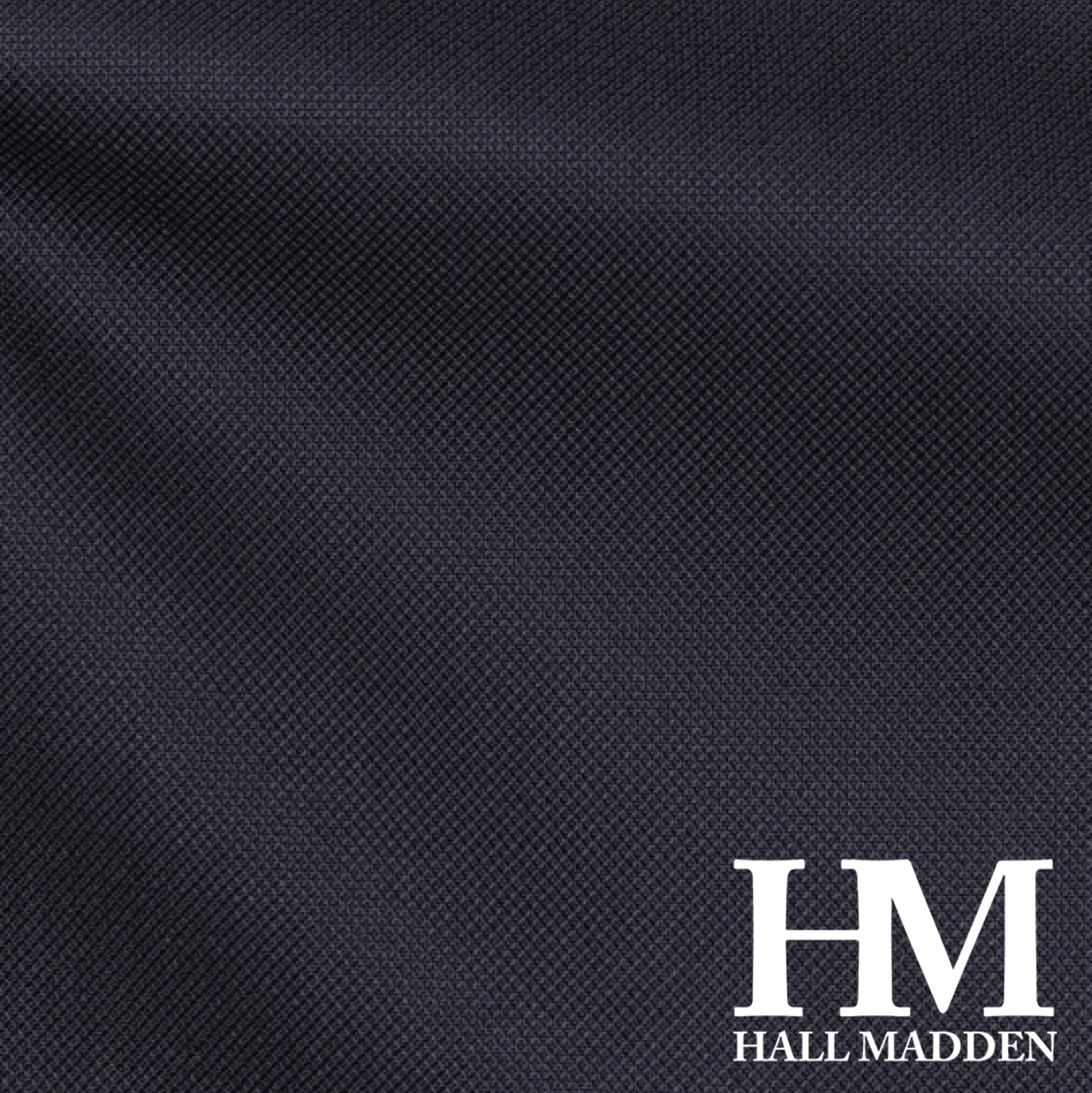
Panama
This is a basketweave in which multiple threads are interlaced to form a simple criss-cross pattern. The loose and open structure makes cotton panama fabric perfect for summer garments.
Pros
Breathable
Perfect for summer pieces

Prince of Wales check
As you might have guessed, Prince of Wales check, also known as Glencheck or Glenurquhart check, has royal heritage. It is commonly believed the fabric got its name from the slick-dressing Duke of Windsor, when he was known as the Prince of Wales. The check is defined by large squares with alternate patterns of smaller squares. The panels can be ‘solid’ or decorated with coloured threads, which determine the design and liven up the fabric’s appearance and style. It is one of the most versatile and easy-to-wear patterns in the check squad, lending itself beautifully to laid-back suiting and tailored winter coats. The magic of this fabric lies in that contrast check, which allows you to harmonise the colour with other pieces of your look.
Pros
Easy to wear

Satin
Satin is made when the weft thread is allowed to pass over multiple yarns. This creates a very smooth face and a very rough back. Normally satins are heavier than plain weaves or twills, but they have a soft handle and excellent drape. The weave is most classically used with silk thread, though it can also be used with other materials. It is more lustrous and gives an exclusive look.
Pros
Shiny
Exclusive look

Seersucker
Seersucker is a unique cotton weave that causes the thread to bunch together in some places, giving the fabric its trademark bumpy appearance, called ‘pucker’. Typically, the pattern on seersucker alternates between smooth and puckered pinstripes, though the puckering pattern can be checkered as well. This puckering pattern, combined with the lightweight cotton fabric, is what gives seersucker its much-loved cooling quality. With more of the fabric held away from the body, more air circulates between you and your clothes. Traditionally, men only wore their seersucker suits between Memorial Day and Labor Day. That rule has loosened in the modern age, but it is still only appropriate for hot weather months and occasions.
Pros
Lightweight and breathable
Perfect for tropical climates and hot weather

Serge
This twill weave fabric is similar to gabardine, with distinctive diagonal ridges from a two-up and two-down weaving process. Extremely durable and flexible, this fabric is known to drape especially well. In fact, serge translates to ‘silken’ in Greek. It has a classic, dressy look and is most often used in uniforms.
Pros
Sturdy and durable
Drapes well
Classic, dressy look

Sharkskin
Sharkskin has a soft texture that is very light and wrinkle-free, making it ideal for suit making. It is a smooth fabric with a two-toned woven appearance, usually achieved by basket weaving two colour threads, creating a pattern where the darker threads run diagonal to the lighter thread (also known as the pick-and-pick twill weave). The combination of these fabrics and the weave is what usually gives the suit a shimmering look, perfect for formalwear attire.
Pros
Wrinkle resistant (great for travelling)
Lightweight
Formal look

Tropical
A plain weave made using only single ply yarns to create a lighter weight, more breathable garment well suited to the tropics.
Pros
Lightweight and breathable
Perfect for tropical climates and hot weather
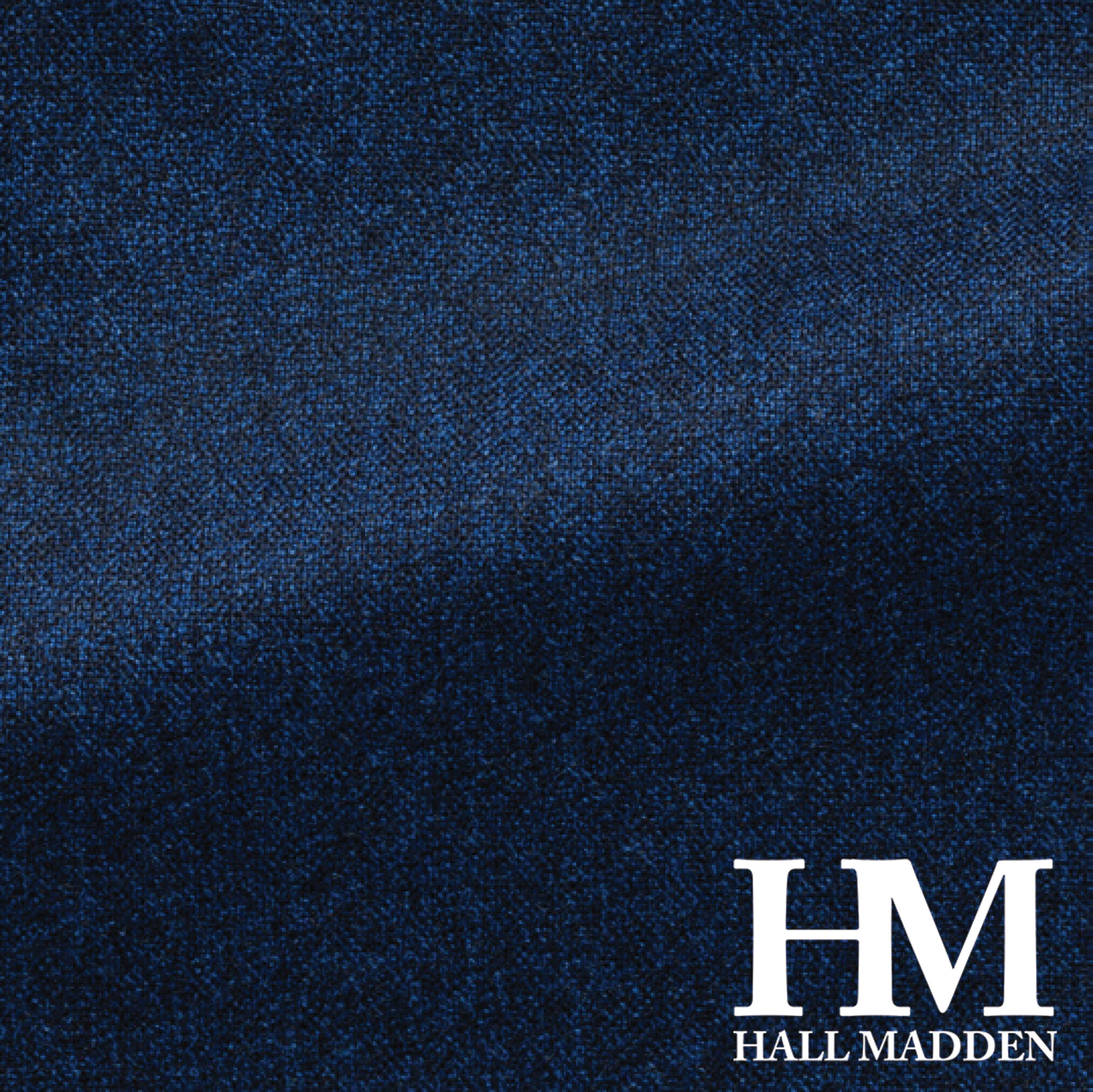
Tweed
Tweed is a woollen twill-weave originating in Scotland. The fabric got its name by chance when a London merchant misinterpreted a letter about some ‘tweel’ (what the Scots called twill). Mistaking the handwriting as ‘tweed’, he assumed it was a trade name taken from the river Tweed that flows through the Scottish textile area. The goods were subsequently advertised as tweed and the name took off. Tweed is very strong, rough and tight-knit, yet flexible and stylish. Used for over a century, especially in suit jackets, waistcoats and even trousers, tweed is one of the best and top-rated materials for winter wear.
Pros
Resistant to wear and tear
Very warm and insulates well
Does not need to be washed often

Velvet
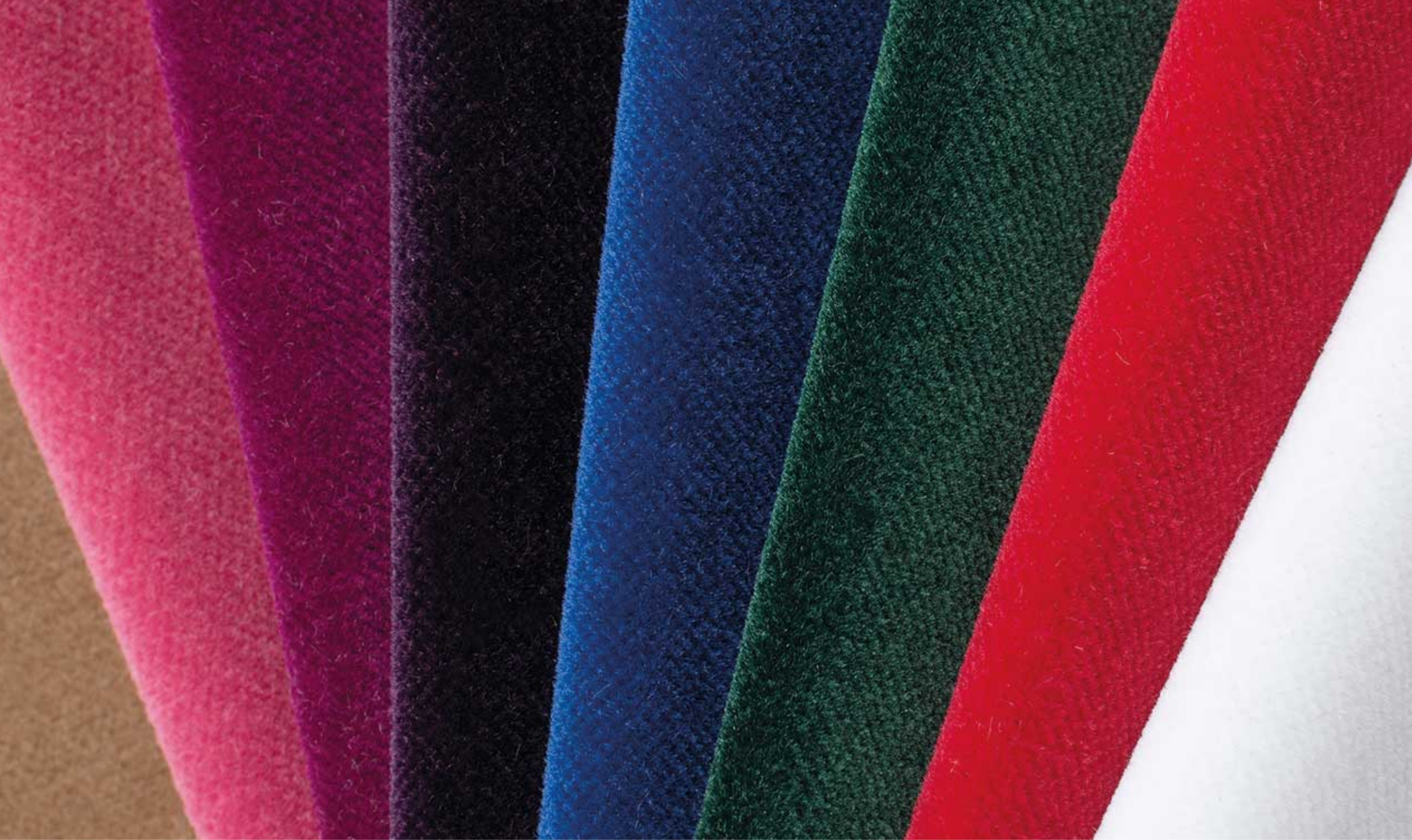
Nothing can match the luxurious look and feel of velvet. At one time, it was even the chosen fabric of royalty and noblemen. Warm, soft, sensuous to touch and known to drape well, velvet fabrics are specially manufactured for these distinctive properties. Velvet can be used for a variety of purposes, but one thing is sure: it stands out. Though this plush fabric is great for evening wear, velvet can just as easily be dressed down as it also pairs well with jeans and sneakers.
Pros
Luxurious and elegant
Versatile (can be formal or casual)
Soft to touch
Keeps you warm in colder weather

Worsted
Worsted is a high-quality type of wool yarn, named after the small English village of Worstead in Norfolk County, a hub for manufacturing in the 12th century. Most wool requires the natural fibre be spun. However, with Worsted, the wool is first combed in a process to remove any short and brittle fibres, leaving only the longer strands of fibre to undergo the spinning process. This creates a stronger, finer and smoother-than-usual wool that can be worn at both formal and informal events.
Pros
A strong, protective weave (from the elements)
Smoother, slicker look and feel
Versatile
Appendix List of Fabric Mills, Raw Materials & Style w. abbreviations
Fabric Mills +Abbreviation
Ariston AR
Bateman & Ogden BO
Brisbane Moss BM
Caccioppoli CAC
Cerruti CE
Delfino DF
Dormeuil DM
Drago DG
Drapers DR
Dugdale DD
Fox Brothers FB
Gladson GL
Harrisons HA
HFW/Carlo Barbera CB
Huddersfield Cloth HC
Huddersfield Textiles HT
Johnstons of Elgin JE
Lovat LV
Marling & Evans MES
Marton Mills MM
Moon MO
Piacenza PIA
Porter & Harding PH
Reda RD
Scabal SC
Smith Woollens SW
Solbiati S
Standeven ST
Thomas Mason (Albini) FM
W. Bill WB
Weba WE
Zegna EZ
Animal Fibres
HR Cattle hair
HS Horse hair
HZ Goat hair
SE Silk
WA Angora
WB Beaver
WG Vicuña
WK Camel
WL Llama
WM Mohair
WO Wool
WP Alpaca
WS Cashmere
WT Otter
WU Guanaco
WV Virgin Wool
WY Yack
Natural plant based Fibers
CO Cotton
HA/HF Hemp
HL Cotton / Linen Mix
JU Jute
LI Linen
RA Ramie
SI Sisal / Sisal Hemp
Processed plant based Fibers
AC Acetate
AF Other Fibres
CA Acetate
CLY Lyocell
CMD Modal
CTA Triacetate
CU Cupro
TA Triacetate
VI/CV Viscose (Rayon)
Synthetic Fibers
EA/EL Elastane
MA Modacrylic
MO Modal (Modal Cotton)
ME Metallic Fibre
NY Nylon
PA Polyamid
PE Polyethylene
PES/PL Polyester
PM Metallised Polyester
PU Polyurethane Fibre
TR Triacetate
VY Vinyl
Fabric Style
Alternate Check (Plaid)
Barathea
Birdseye
Block Check (Plaid)
Block Stripe
Bold Stripe
Cavalry Twill
Chalk Stripe
Check (Plaid)
Chequerboard
Contrast
Corded Check (Plaid)
Corduroy
Diamond Weave
Diced Weave
Diffused Check (Plaid)
Diffused Stripe
Donegal
Dot Stripe
Faille
Fancy Check (Plaid)
Fancy Stripe
Fancy Weave
Feather Weave
Floral Motif
Glen Check (Plaid)
Gradient Check (Plaid)
Gradient Stripe
Grid Check (Plaid)
Gun Club
Herringbone
Hopsack
Houndstooth
Interlace Stripe
Irregular Stripe
Jacquard
Leno
Line Stripe
Linear Check (Plaid)
Lurex
Micro Design
Micro Weave
Moleskin
Multi Stripe
Nailhead
Ombre Check (Plaid)
Pearl Stripe
Pin Dot
Pin Stripe
Plaid
Plain
Prince of Wales Check (Plaid)
Puppytooth
Sateen
Self Stripe
Shadow Stripe
Sharkskin
Shepherd Check (Plaid)
Solid
Split Matt Check (Plaid)
Split Matt Glen
Spot Stripe
Stripe
Tartan Check (Plaid)
Tonal Check (Plaid)
Tonal Stripe
Tweed
Twill
Twist Stripe
Unbalanced Stripe
Velvet
Venetian
Wave Stripe
Wavy Stripe
Weave Effect
Whipcord
Windowpane